


Project
Team (Sue Hong, Yaezi Lee, Evan Zhang)
Duration
6 Weeks, Oct ~ Dec 2025
Tools
Figma, Adobe After Effects, Illustrator, Midjourney & Gemini
My role
Product Designer
I led problem framing and UX/UI design, shaping the experience from device setup and tutorials to gameplay feedback. My work included voice-command navigation, tutorial sequencing, interaction timing, and the interface and effects for game success and failure. A teammate built the working camera-based motion recognition prototype. I designed the surrounding experience to help users prepare their device, learn the movements, and understand how their actions affected the game.
Overview
Helping people stay engaged in upper-limb rehabilitation at home.
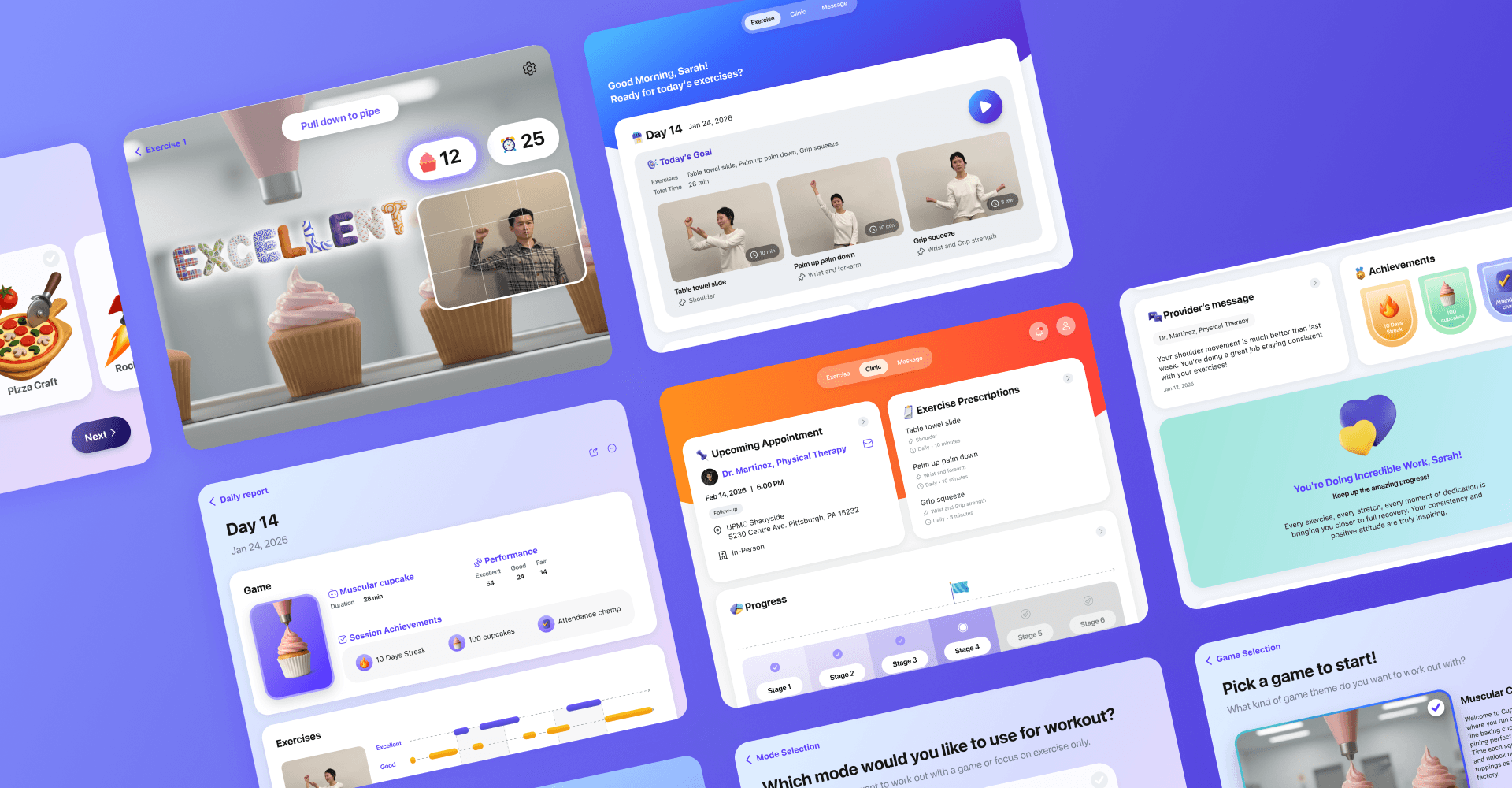
Repetitive exercises and uncertainty about movement can make home rehabilitation difficult to sustain. Reeha connects these exercises with mini-games inspired by everyday activities, such as baking, to make the routine more engaging. We designed a tablet-based experience for people with limited arm mobility. Our working cupcake game uses real-time camera recognition to turn arm movements into game actions. We exhibited the prototype at CMU Design Week. Reeha received a Gold at the MUSE Design Awards and two Silvers at the Indigo Design Award.
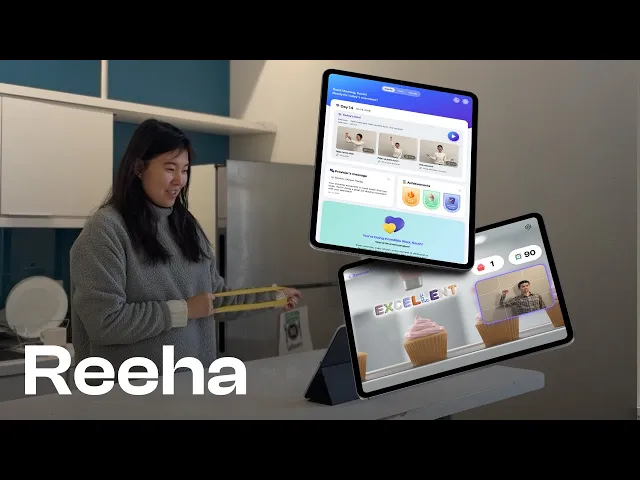
Final Design: Concept Video
From getting ready to completing an exercise session
The experience guides users through today’s exercises, device setup, tutorials, and movement-based play. Each stage addresses a different need: knowing where to begin, getting into position, understanding the movement, and recognizing the game’s response.
Today's exercise
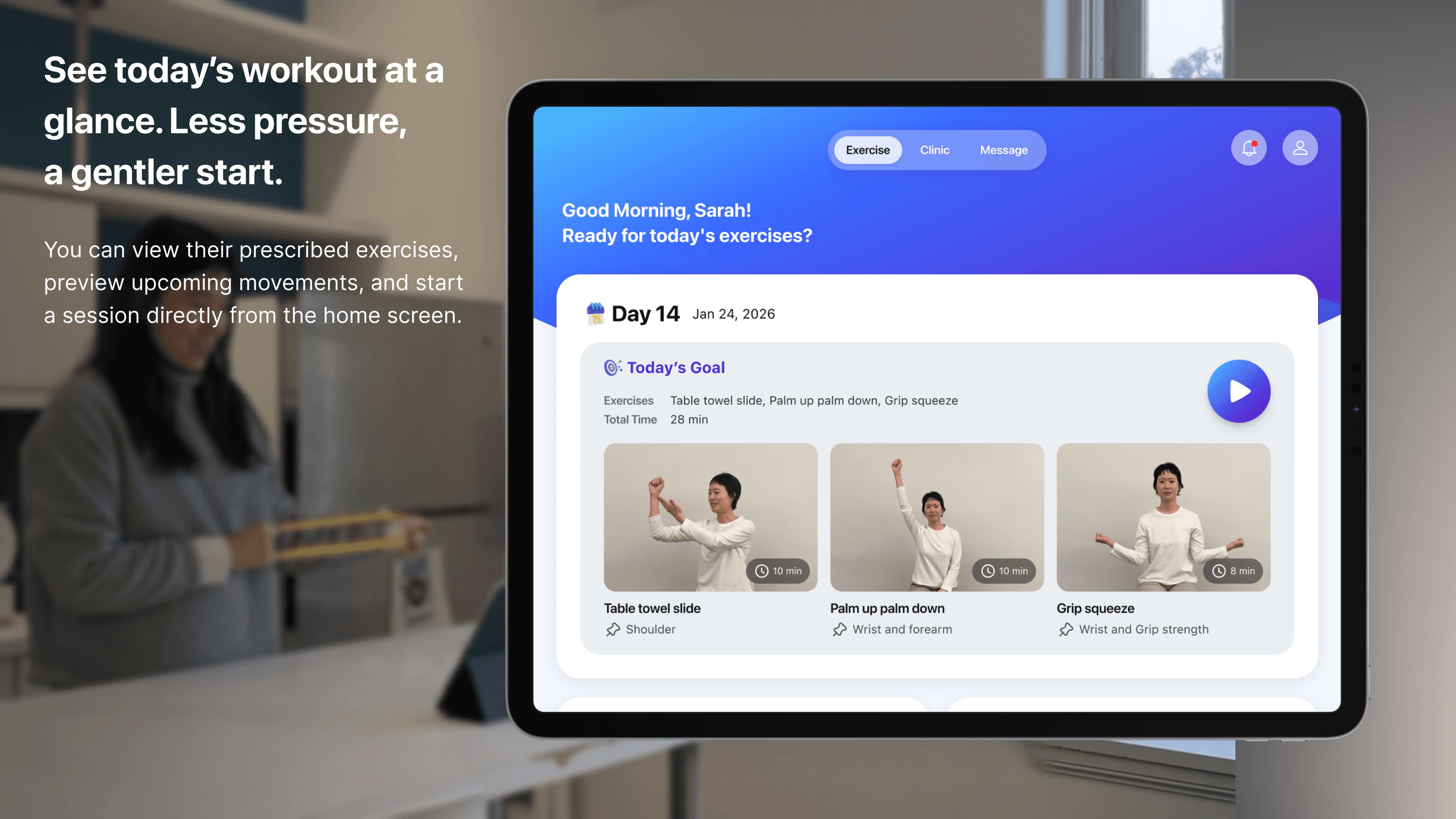
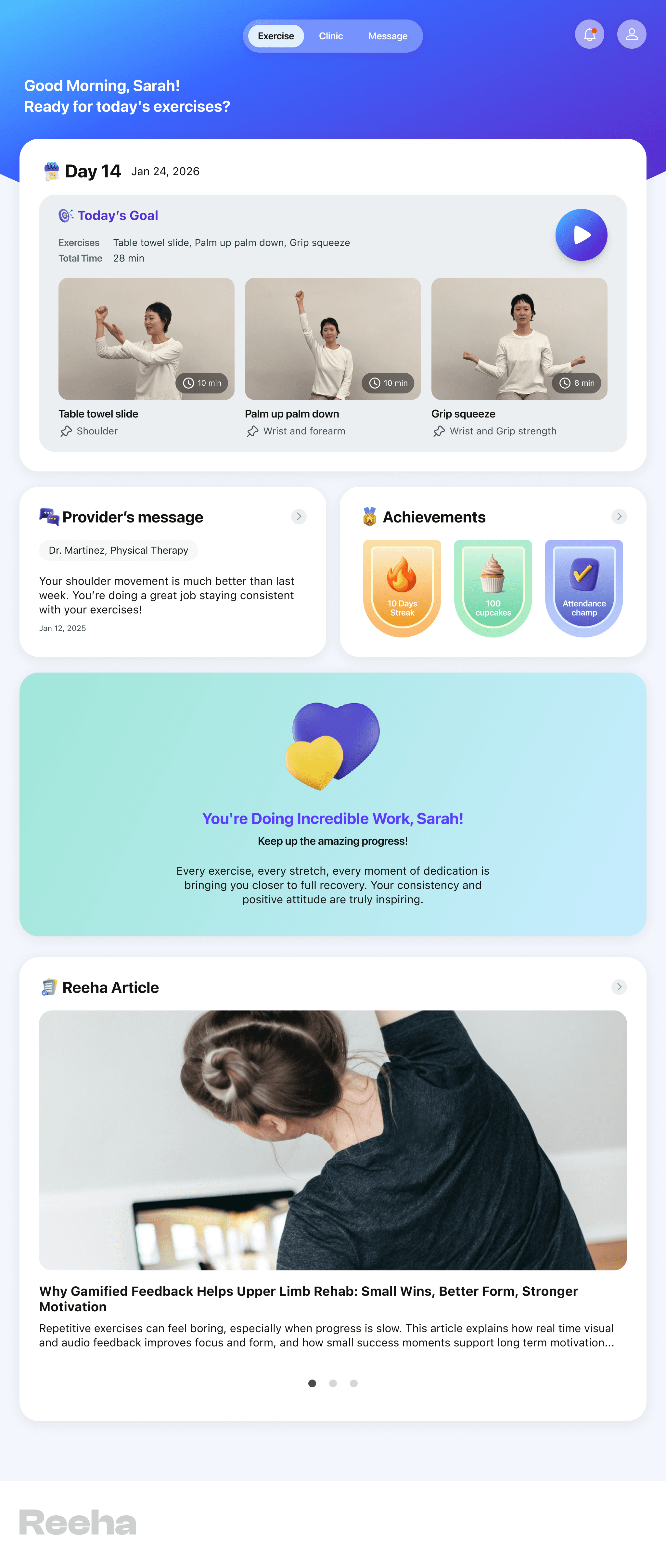
A clear place to start today's exercise
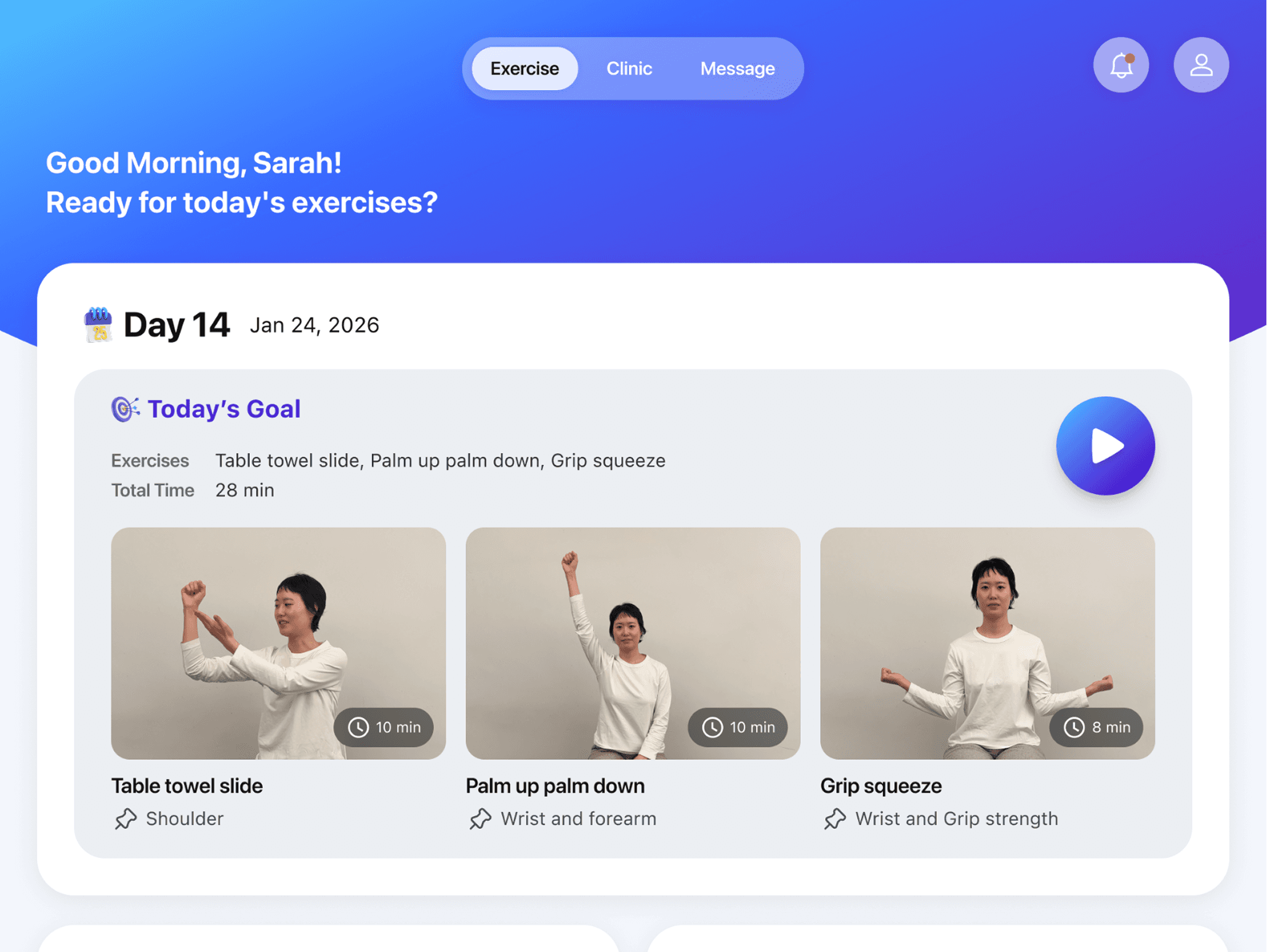
The home screen brings today’s exercises, estimated session length, and a single start button to the foreground. Exercise images help users recognize the movements before they begin.
Setup
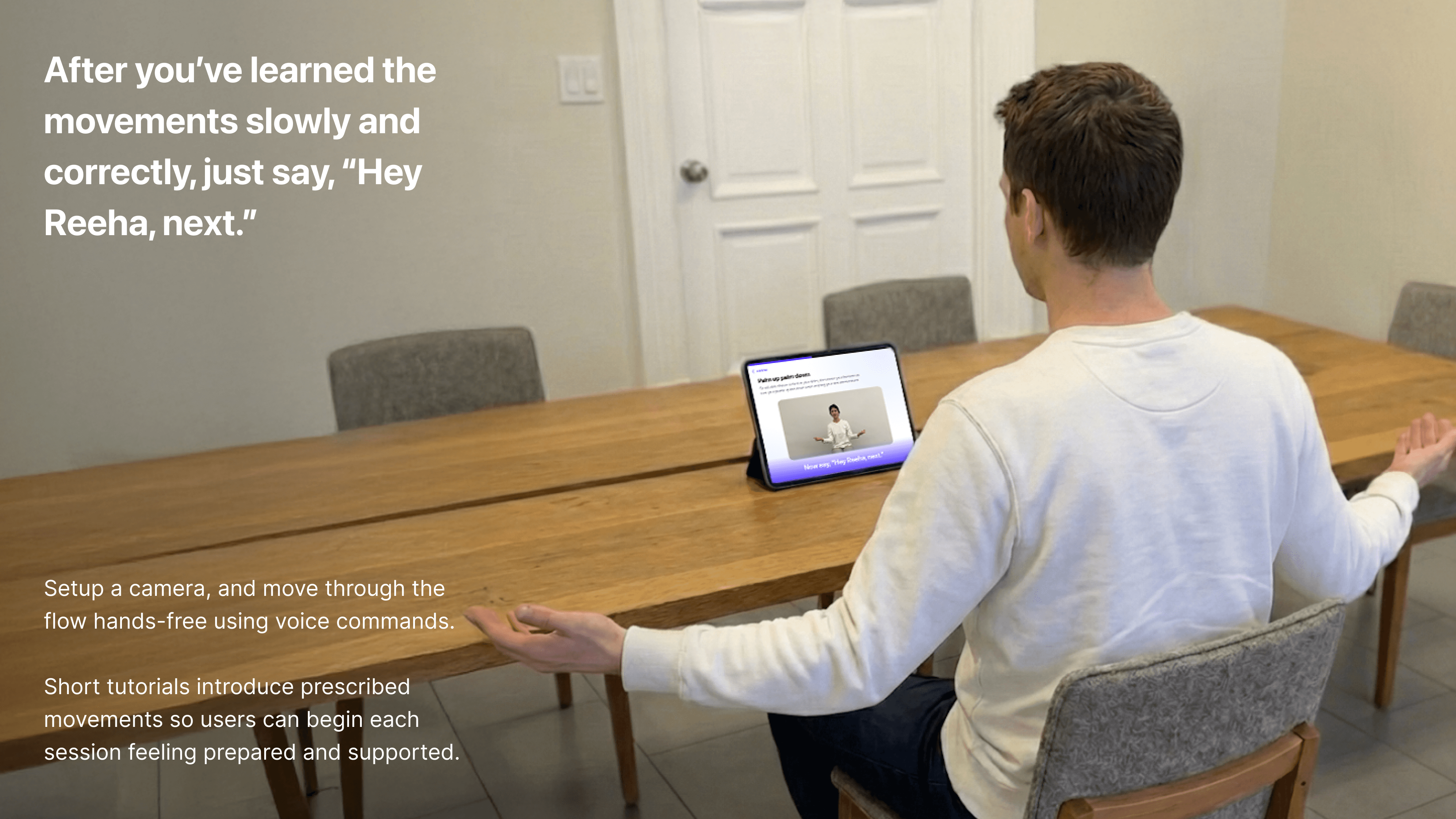
Preparing for exercise with fewer touchscreen interactions
Setup was designed around the possibility that users could comfortably use only one hand. Voice commands such as “Hey Reeha, next” provides a way to move through the experience without touching for the screen. The positioning cues and voice navigation help prepare users for an experience that depends on both their physical space and their device.
Tutorial
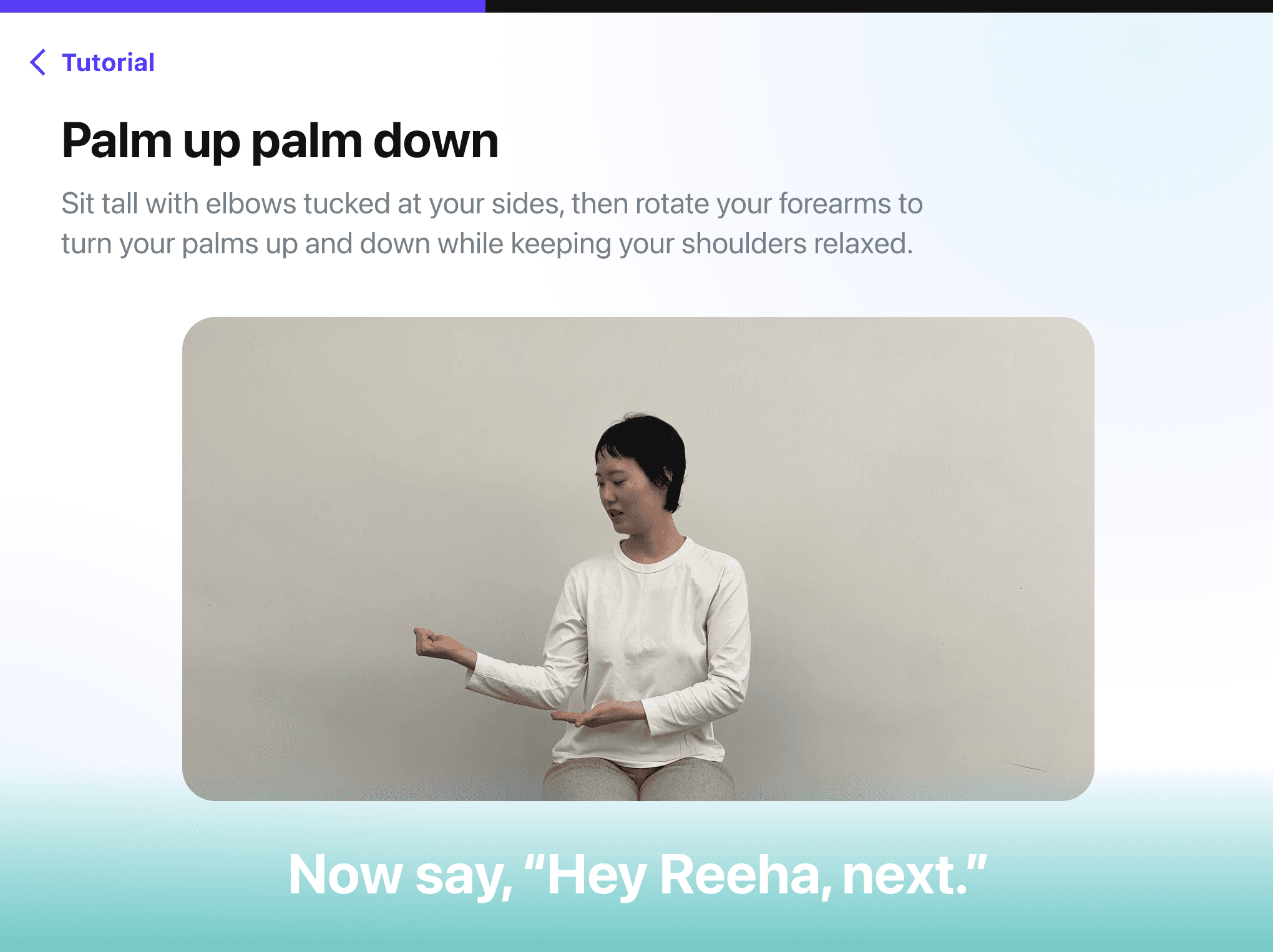
Learn the movement, then learn how it drives the game
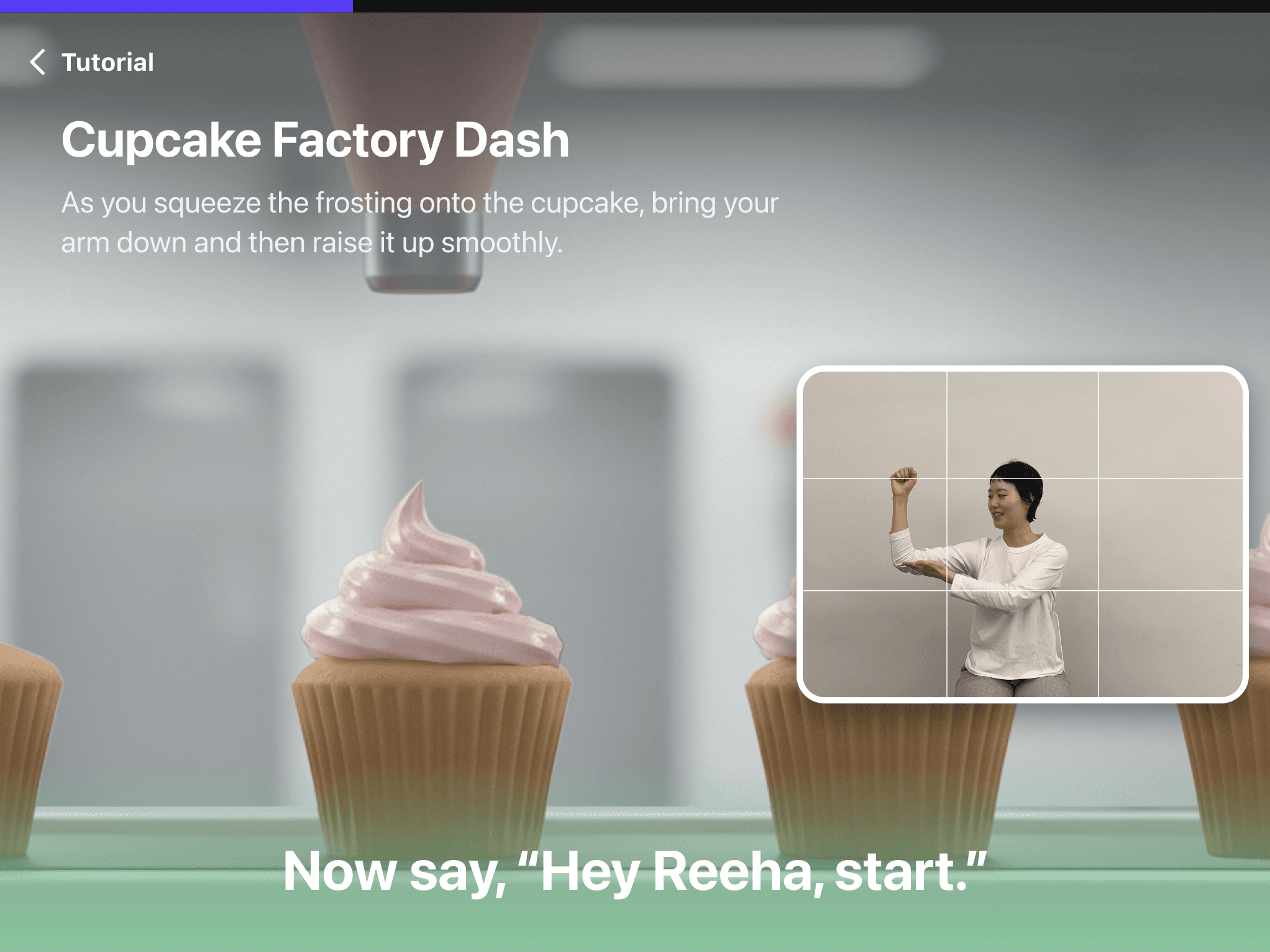
I separated the tutorial into two short phases: learning the exercise movement and understanding how it controls the game. Each stays under 30 seconds and matches the camera’s viewing angle. Guidance and transitions are paced to give users time to follow along.
Clinic
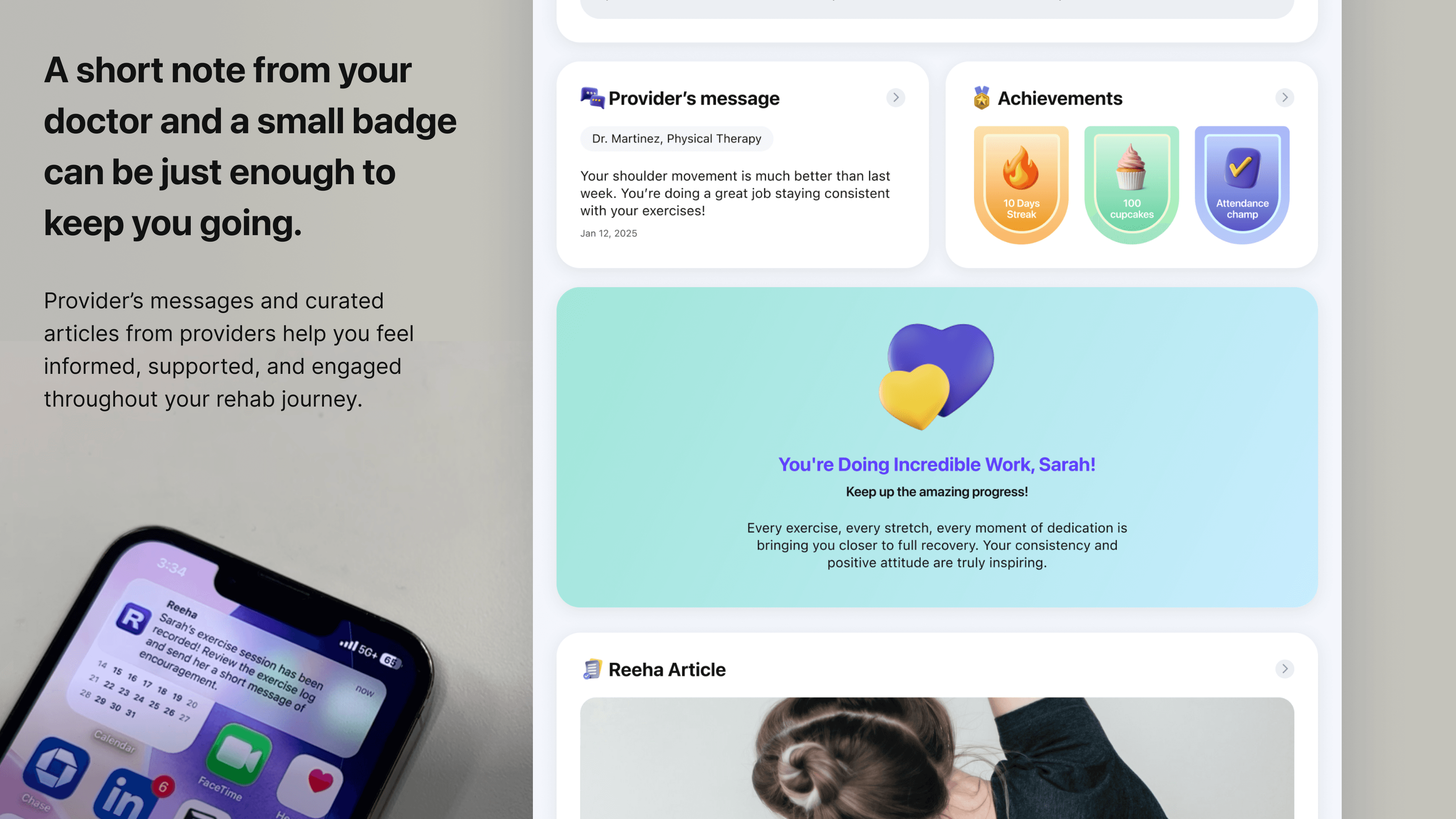
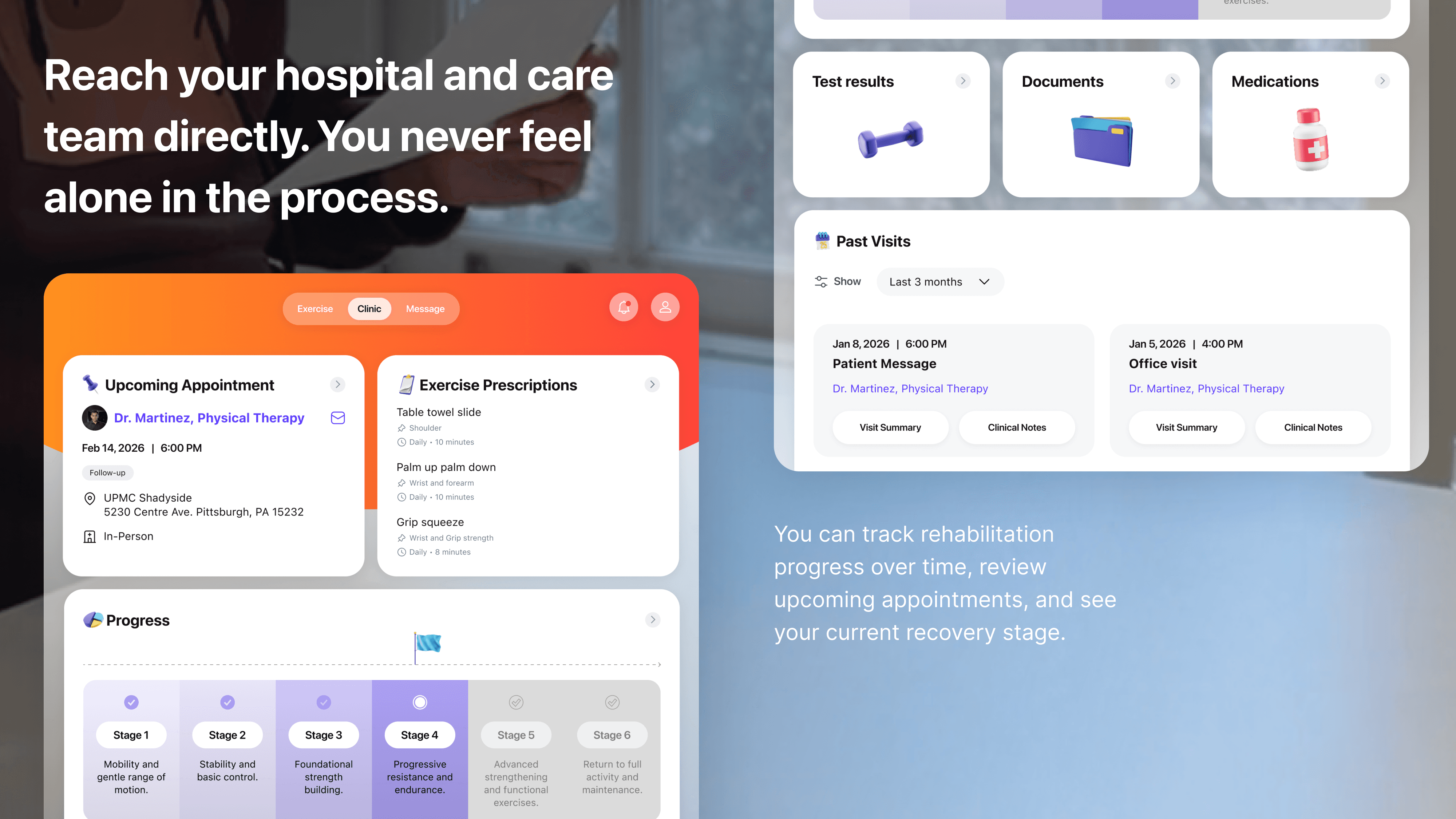
Keeping care visible between appointments
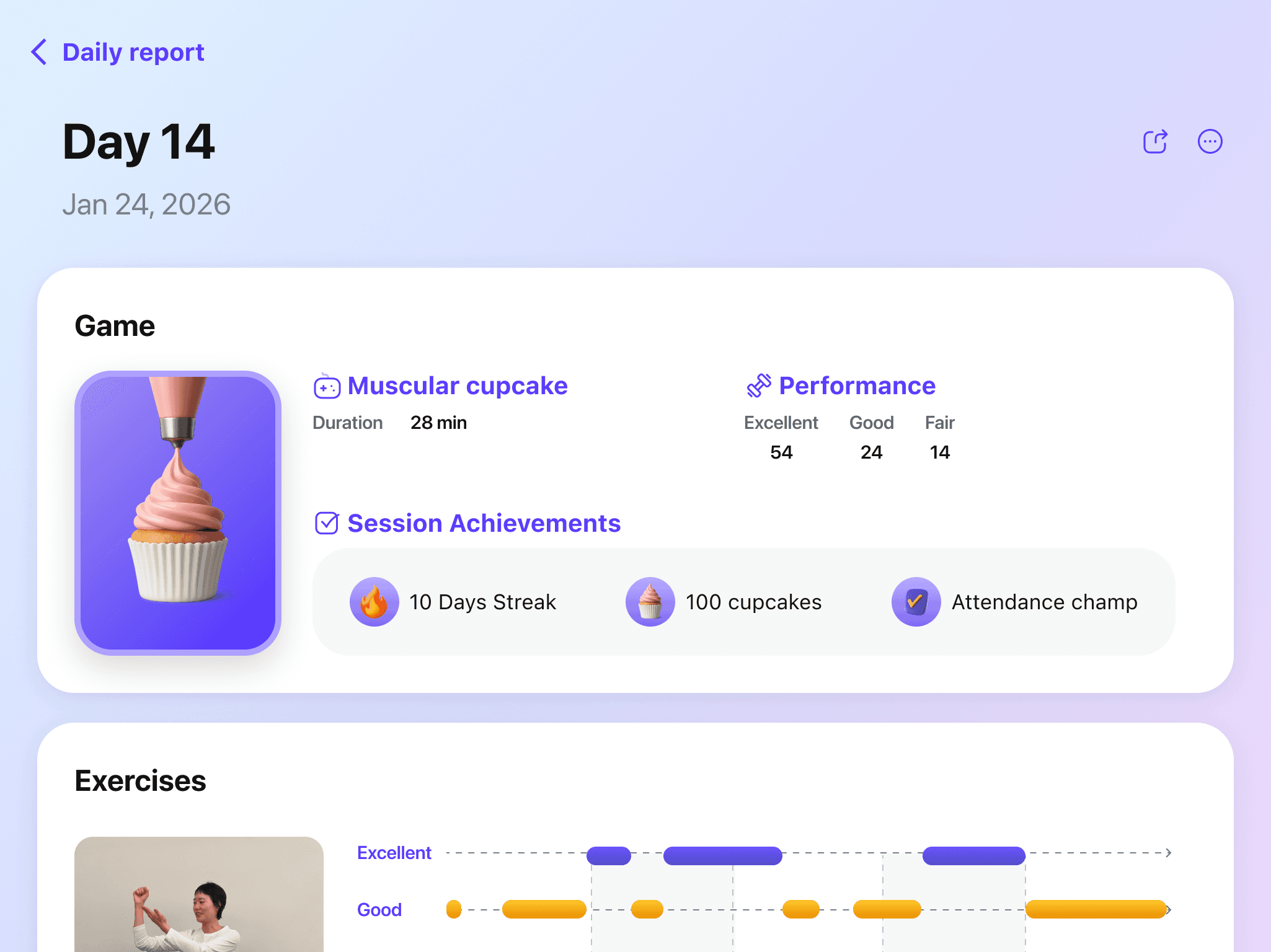
The Clinic concept brings therapist messages and exercise progress into one place. The latest message appears first, giving users a direct connection to their care team before they review their data.


Problem
Home rehabilitation routines become harder to sustain over time.
1. Continuing practice alone is hard. 2. Low motivation in repetitive and mundane exercise routine. 3. Uncertainty about performing exercises correctly.

Stakeholder Map
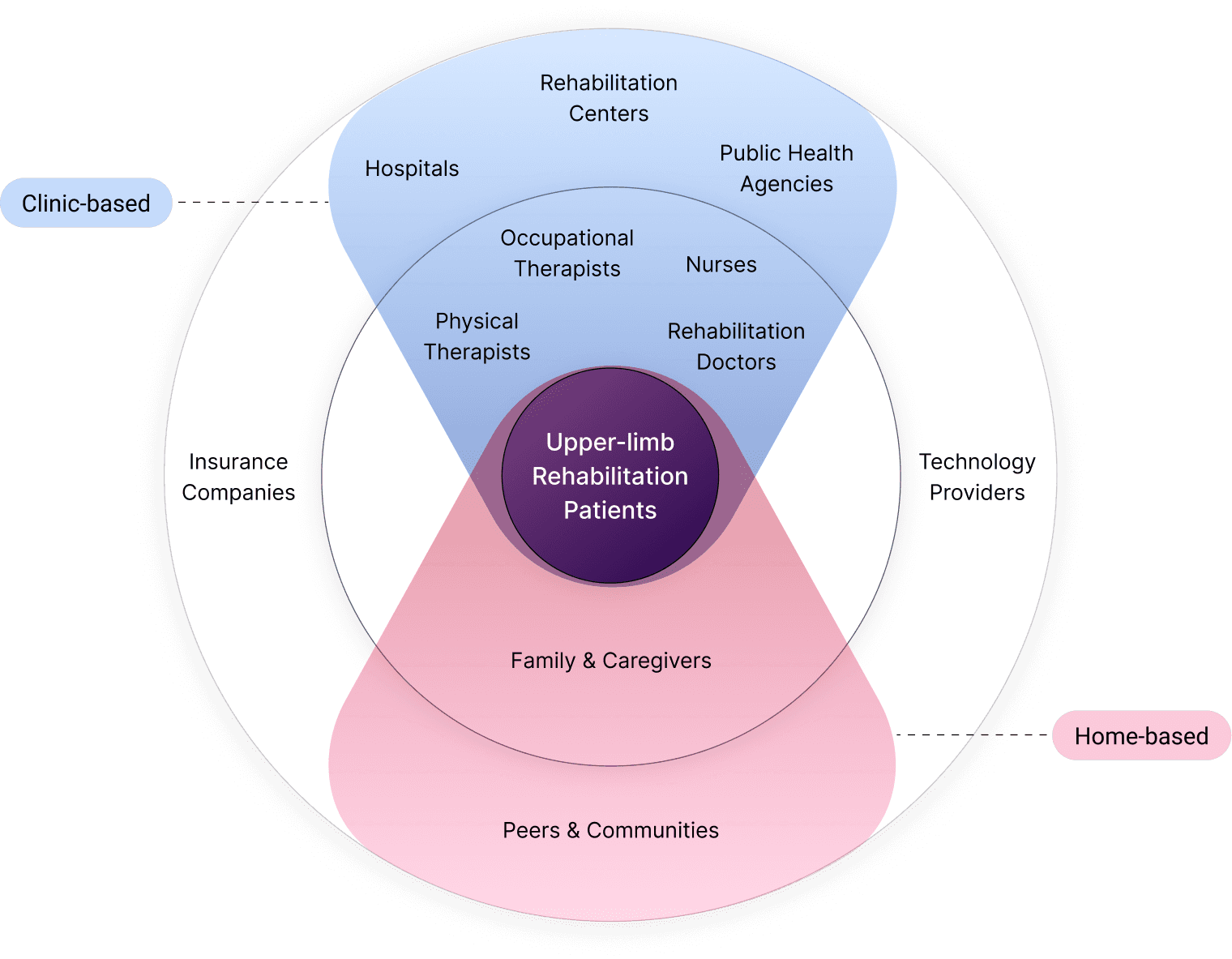
The system had two core user groups.
Mapping the stakeholders helped us define two core user groups: (1) patients exercising at home and (2) therapists guiding their recovery. Patients needed an experience they could follow independently, while therapists brought a clinical perspective to the exercise requirements.
User & Expert Interview
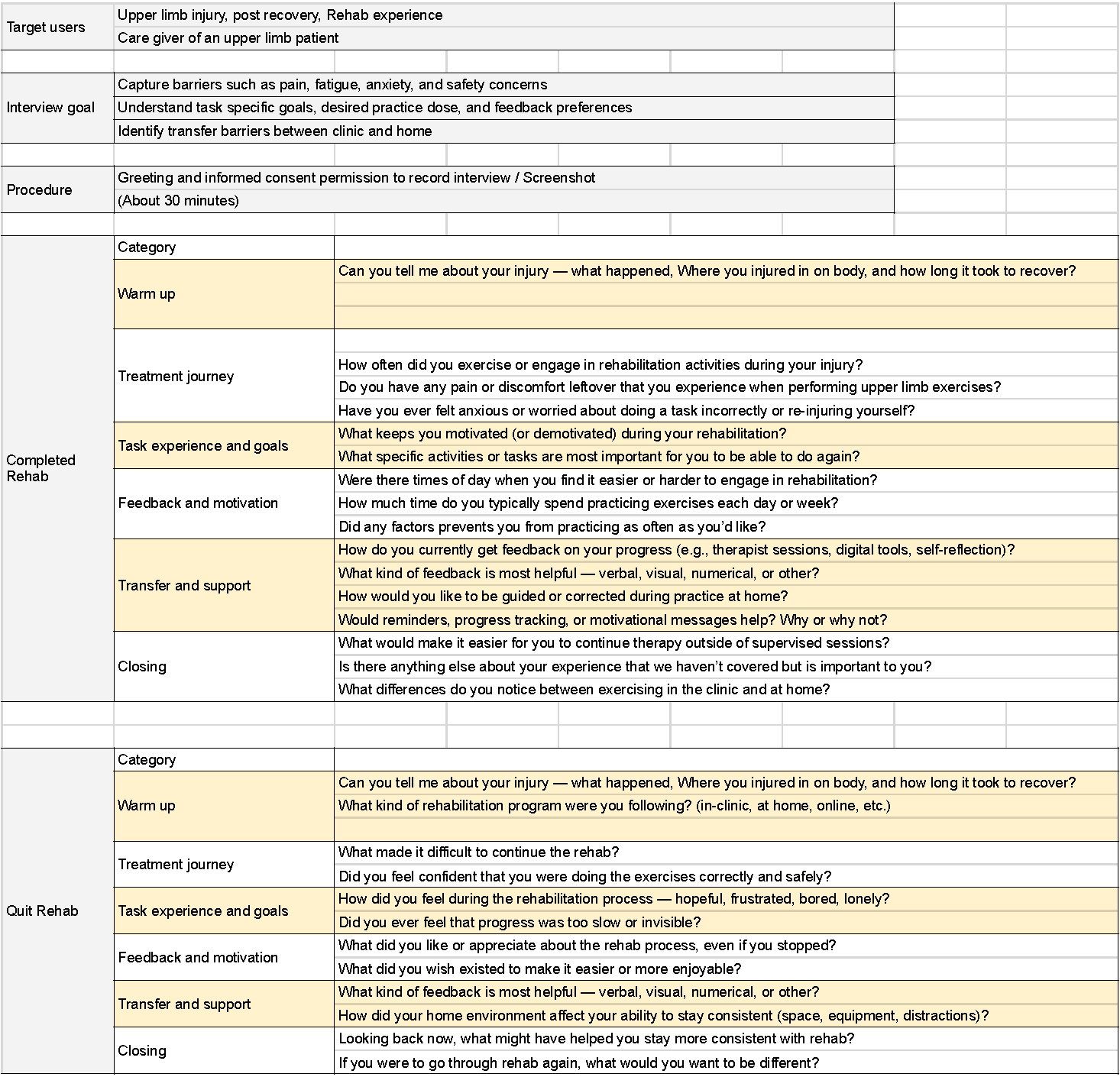
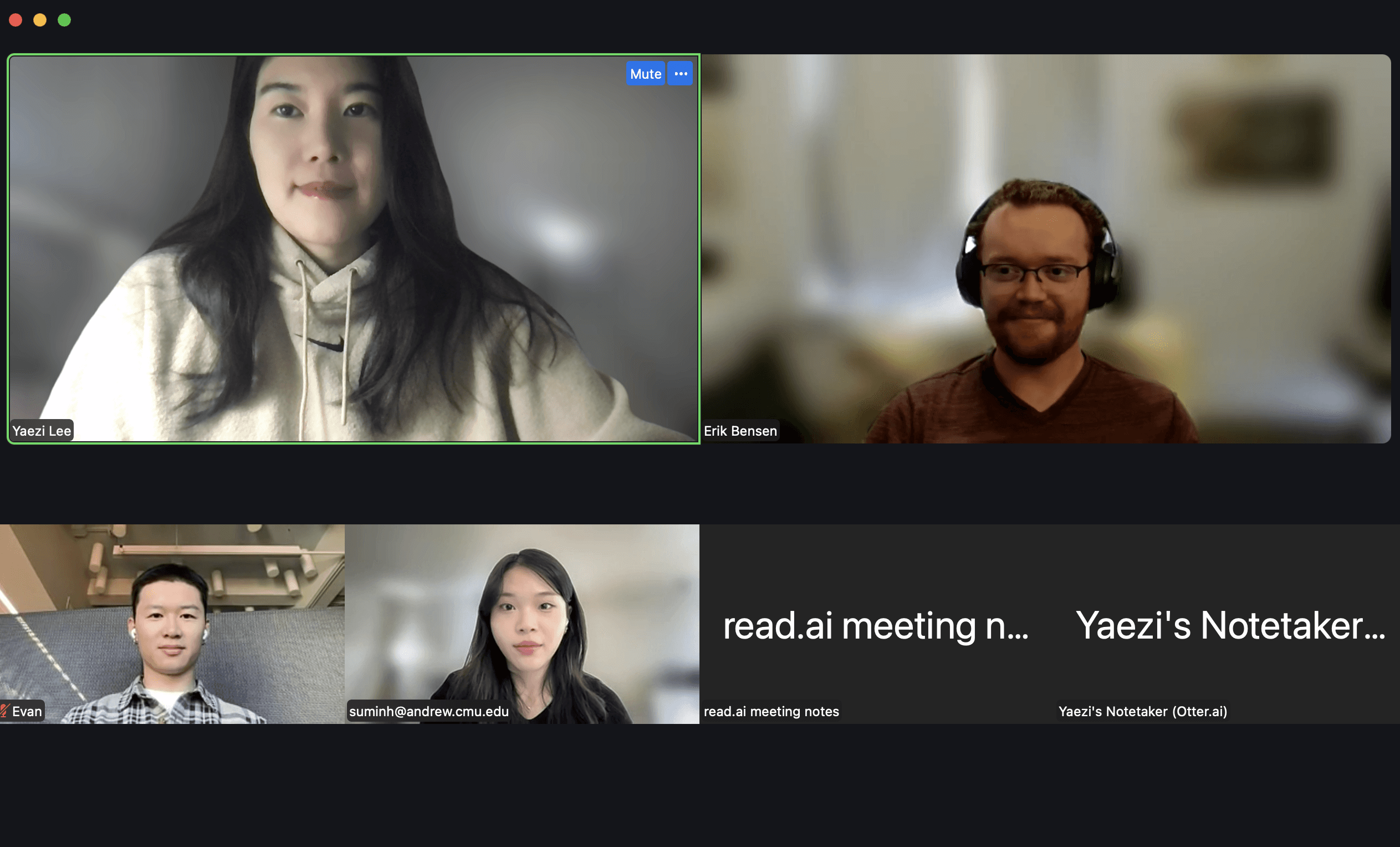
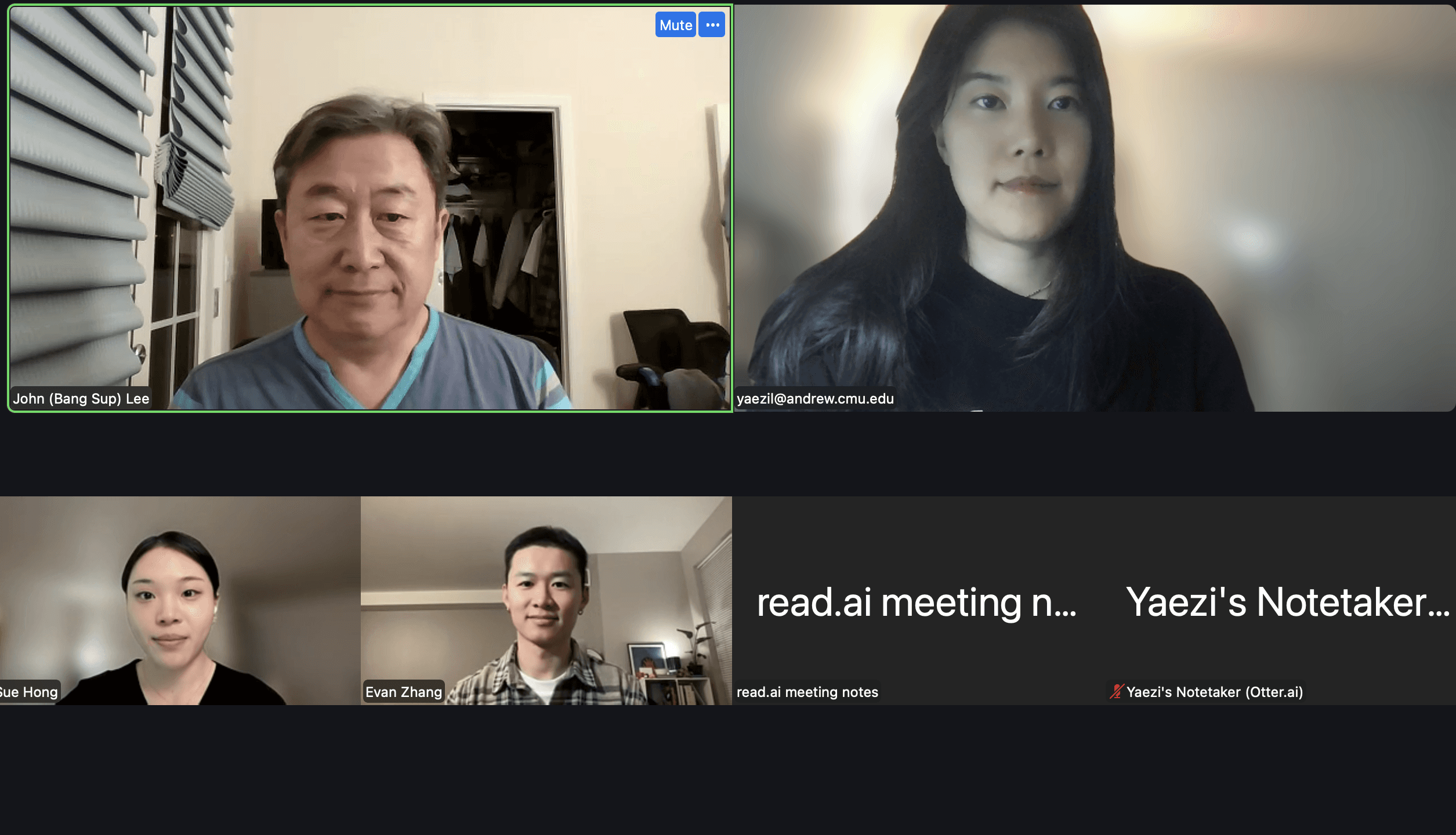
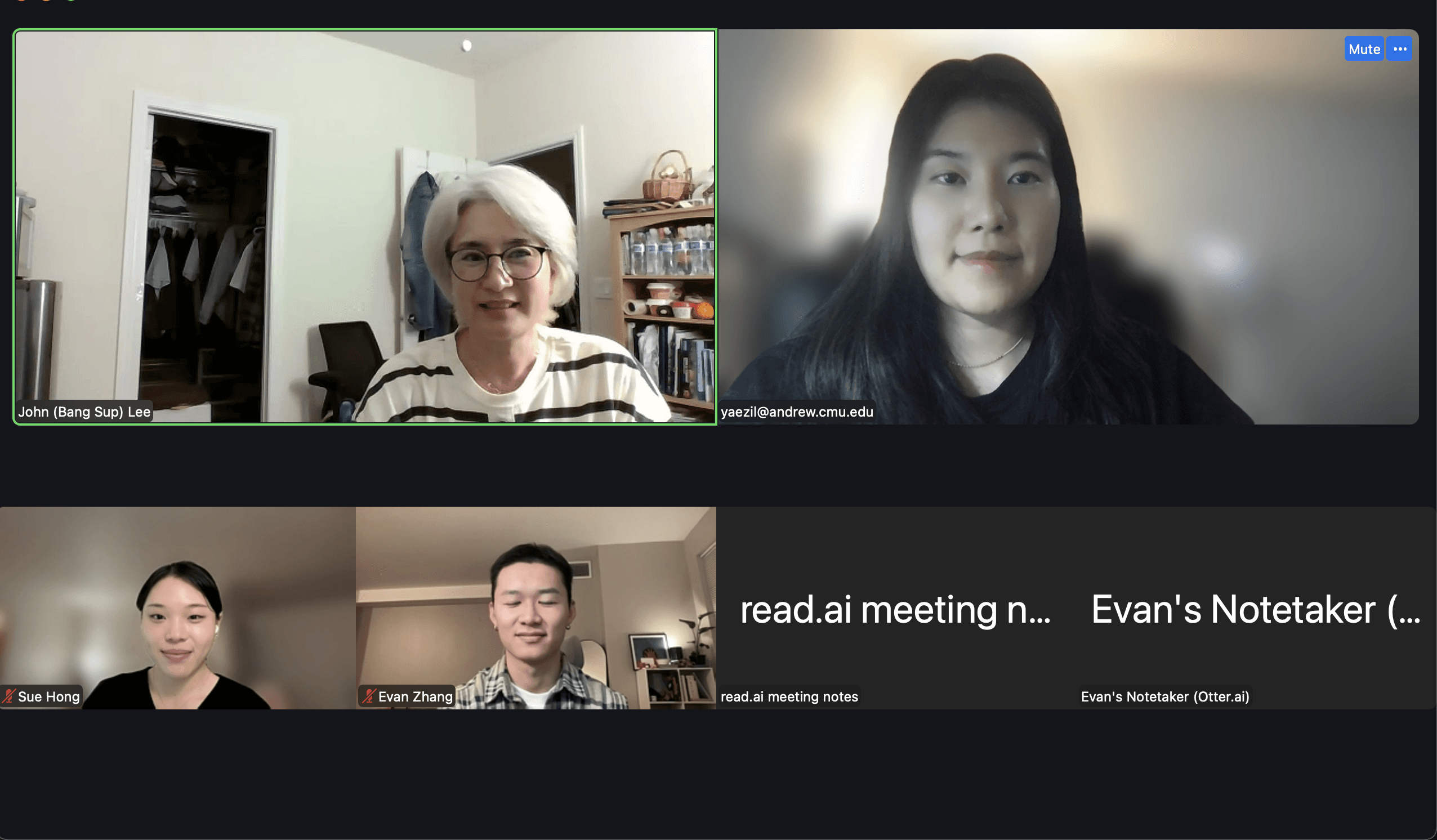
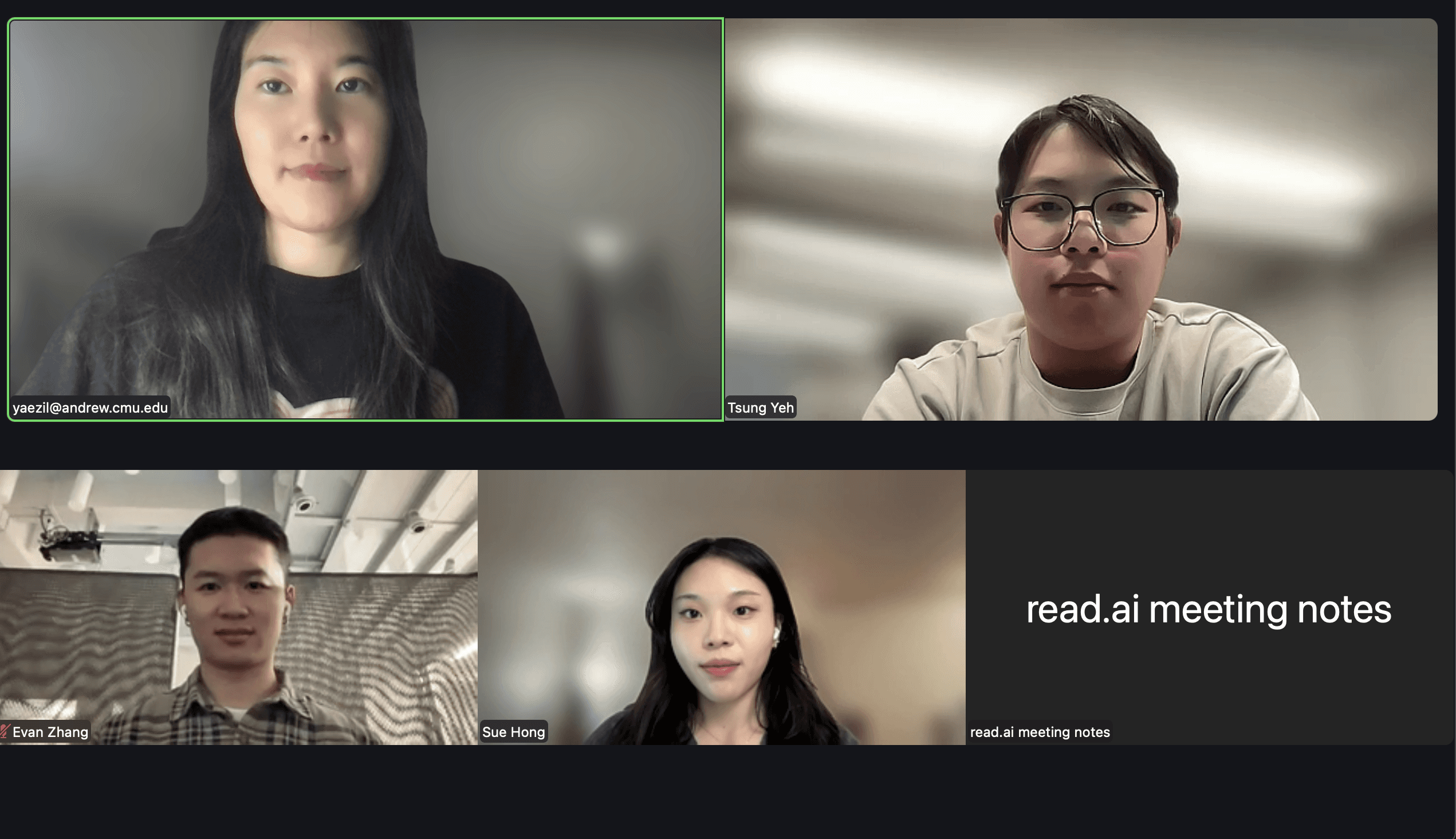
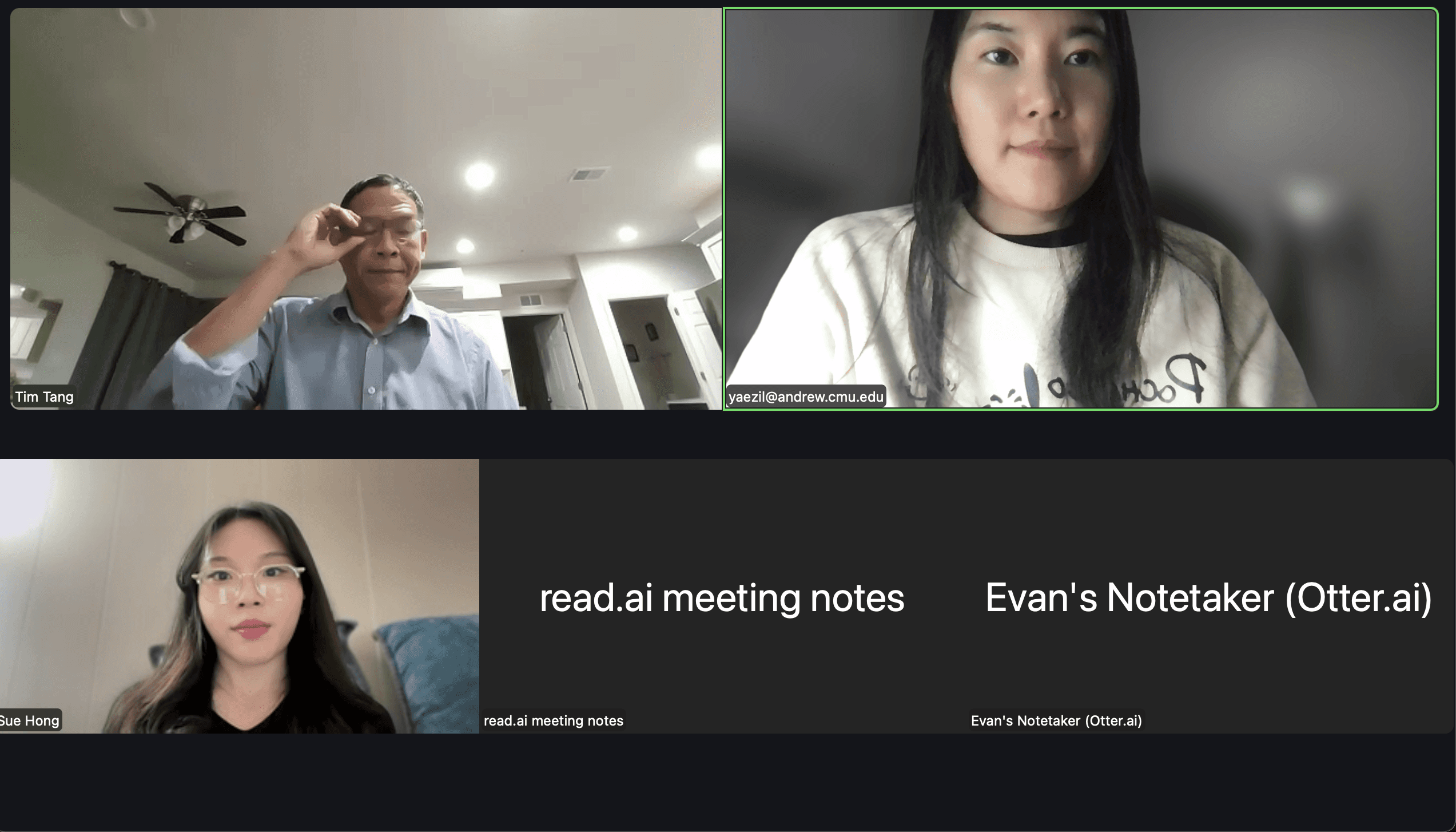
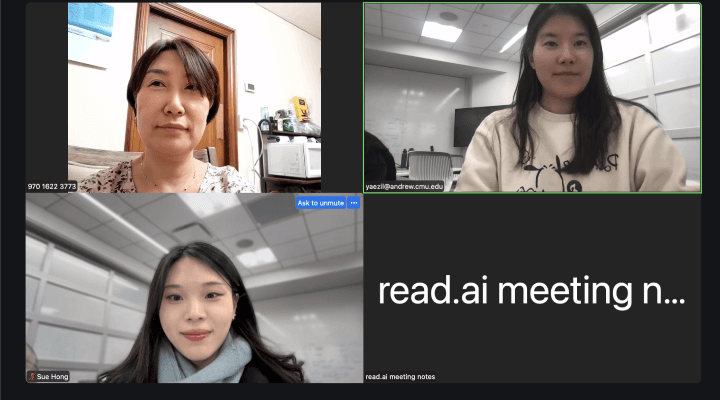
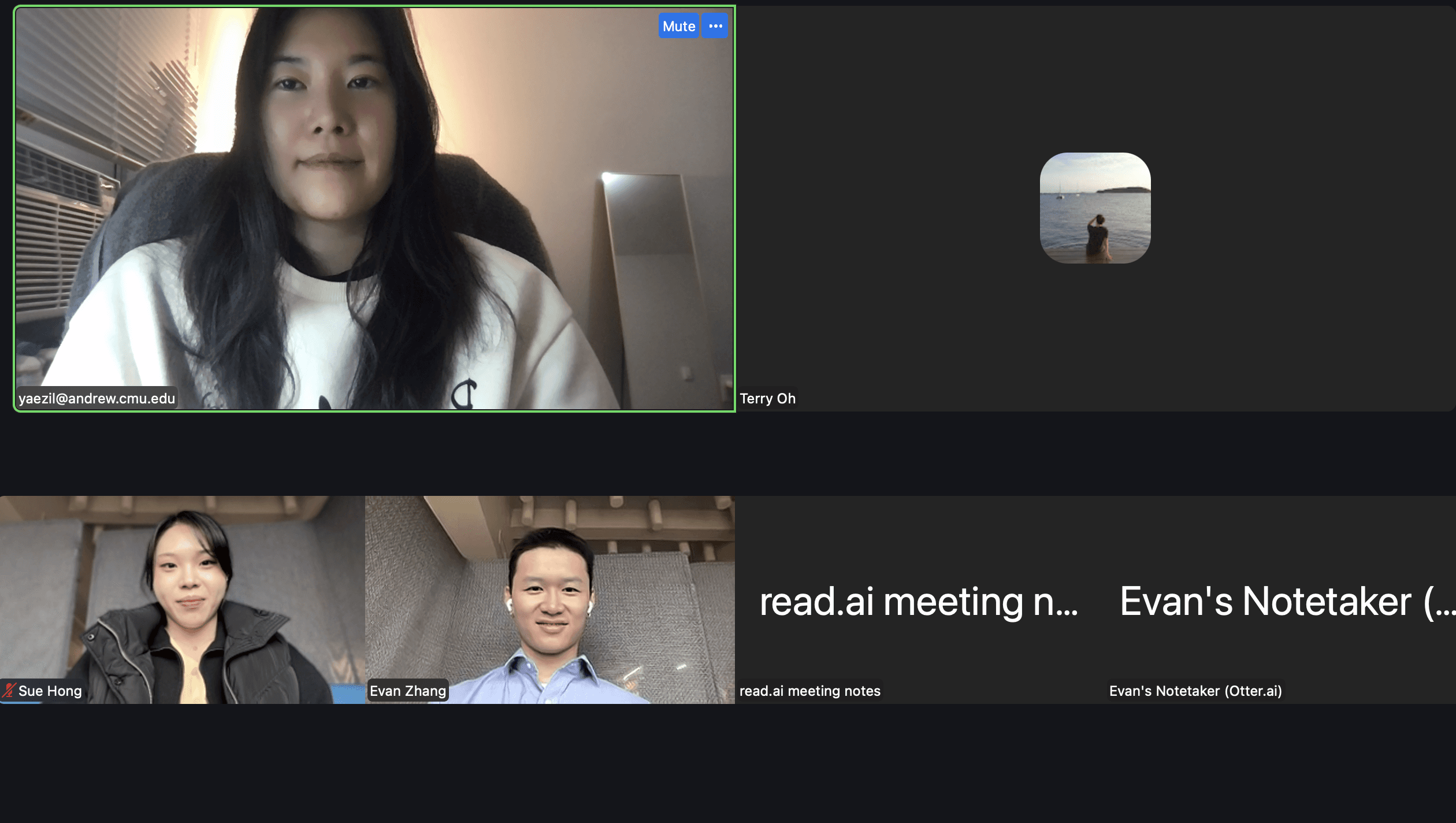
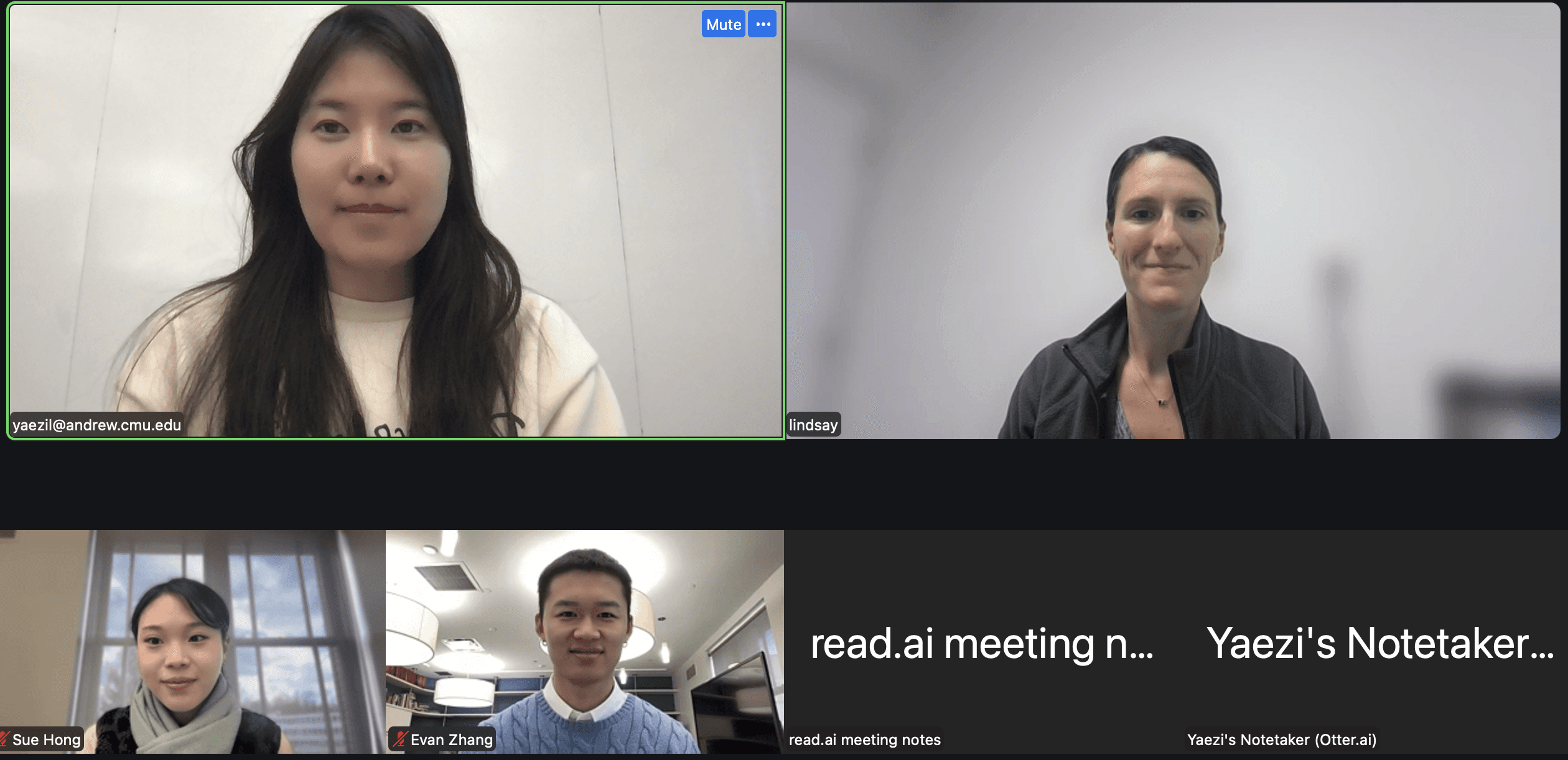
8 user interviews and 4 expert interviews.
We identified monotony, confusion, and disconnection from clinical guidance as key barriers to sustained home rehabilitation. Patients don’t just want to perform exercises correctly but to feel supported. "I do my exercises, but I don't know if I'm doing them right." — Patient #3, 4 months post-surgery "When my therapist isn't watching, my form drifts within a week." — Patient #6 "Compliance drops after week 3 unless we add visual milestones." — Occupational Therapist, 12 years in upper-limb rehab
Patient Interview
Expert Interview
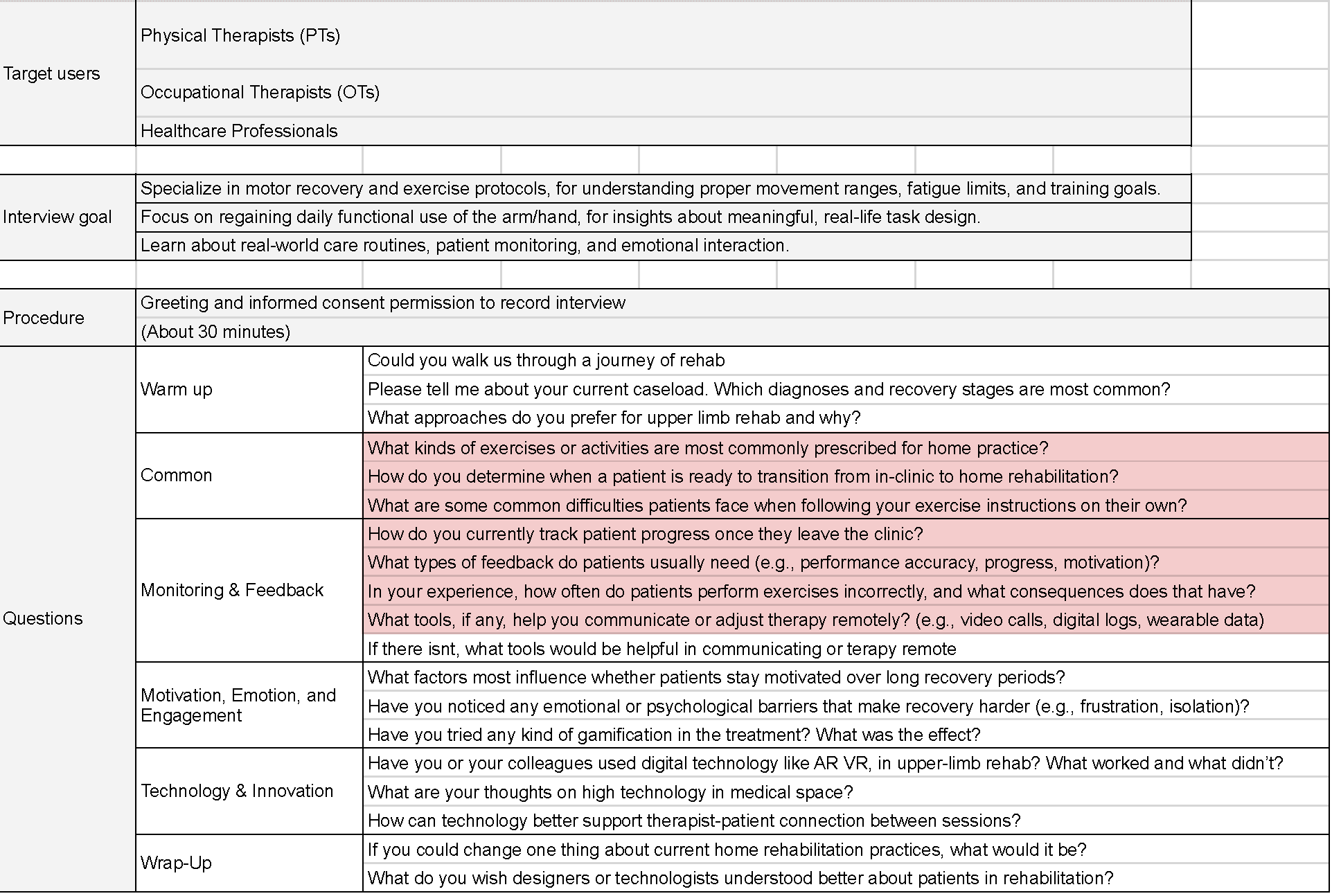
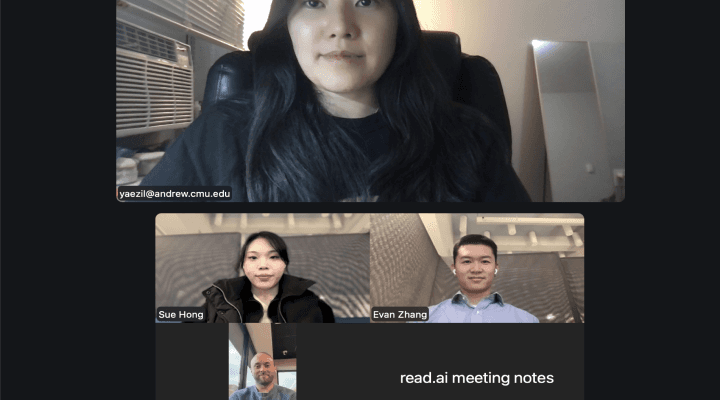
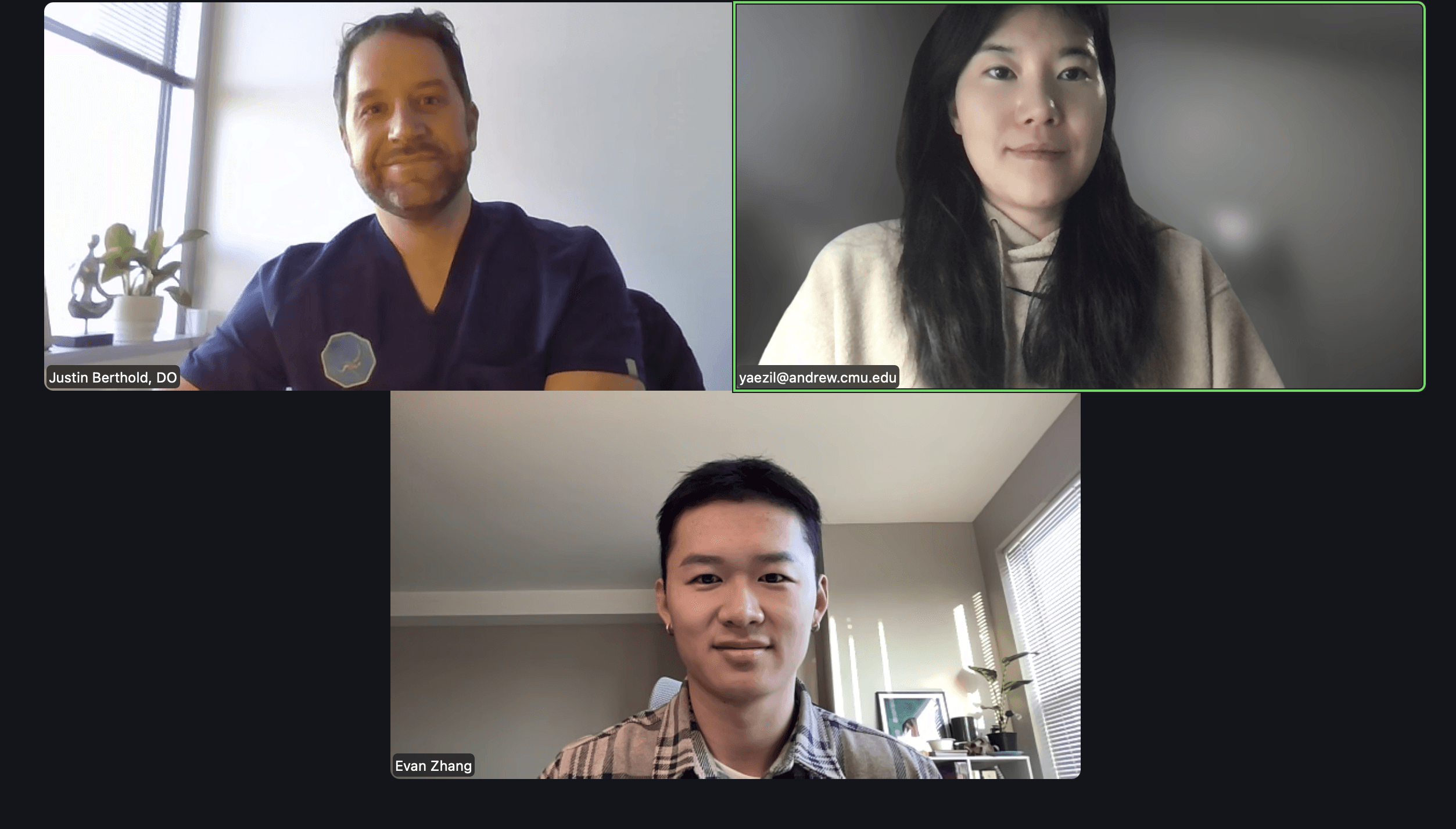
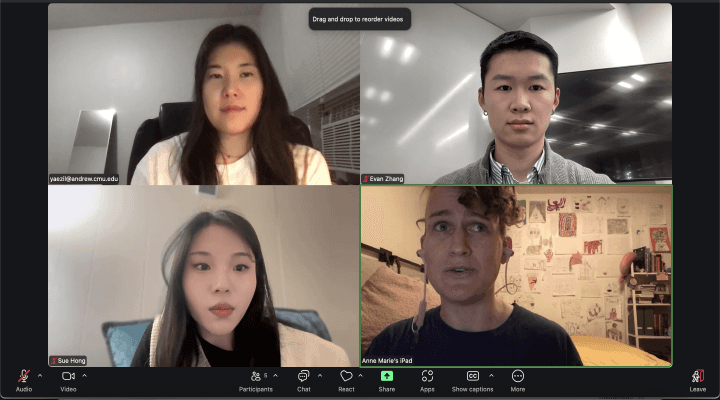
Full interview protocols and synthesis in case deck.
Interview Insights
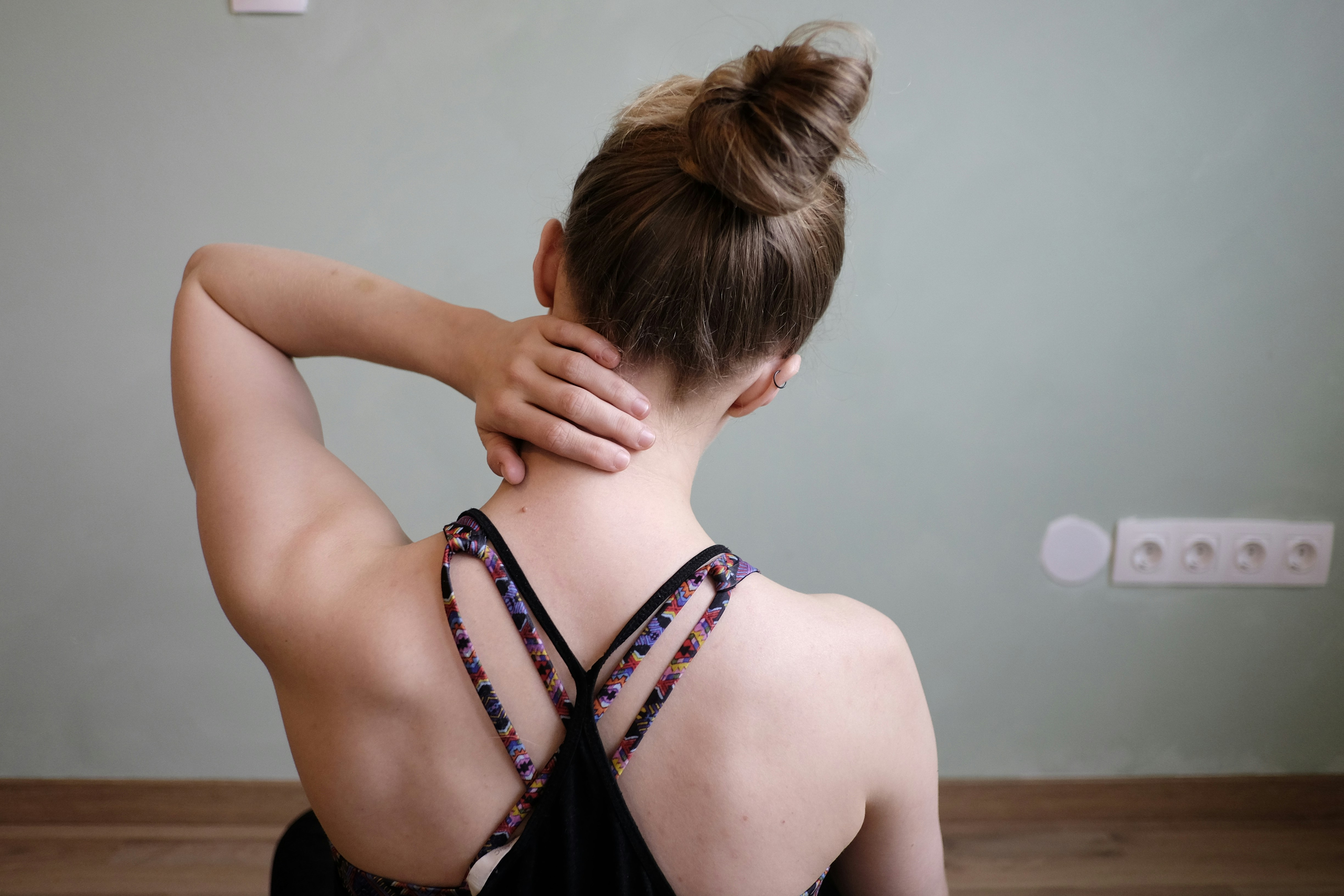
Users want to feel accompanied, understood, and see their own progress over time.
Activities such as making coffee, gardening, and baking with their children gave patients something meaningful to work toward. This led us to explore familiar activities as the basis for exercise games, alongside guidance and visible progress.
Persona
Sarah wants to get back to her routine, but finds it hard to keep exercising alone.
Sarah is a teacher recovering from a rotator cuff injury. After an initial period of regular therapy, much of her rehabilitation takes place at home. She needs to know what to do, understand how her movements affect the exercise, and see progress that is easy to overlook day to day. These needs guided our focus on clear instruction, immediate feedback, and small signs of progress.

Name
Sarah
Age
38
Location
Pittsburgh, PA
Job
Preschool Teacher
Hobby
Indoor climbing
What she said
"I don't always know if I'm doing it right, and there's nobody to ask."
"I'll do it for a week, miss two days, and then I can't get back to it."
"The exercises aren't hard. Remembering why I'm doing them is hard."
What she actually needs
A reason to start each day, not just a reminder to.
Confirmation she's doing the movement right, in the moment, not in next week's appointment.
Visible signs she's getting better, because six months in, she can't feel the difference herself.
What she does not need
Another tracking dashboard.
A streak counter that makes her feel guilty for missing two days.
Solution

Your daily rehab companion
Activity based Mini-games
Prescribed exercises mapped to everyday motions so the motion the therapist needs is the motion the game requires.
Exercise reports
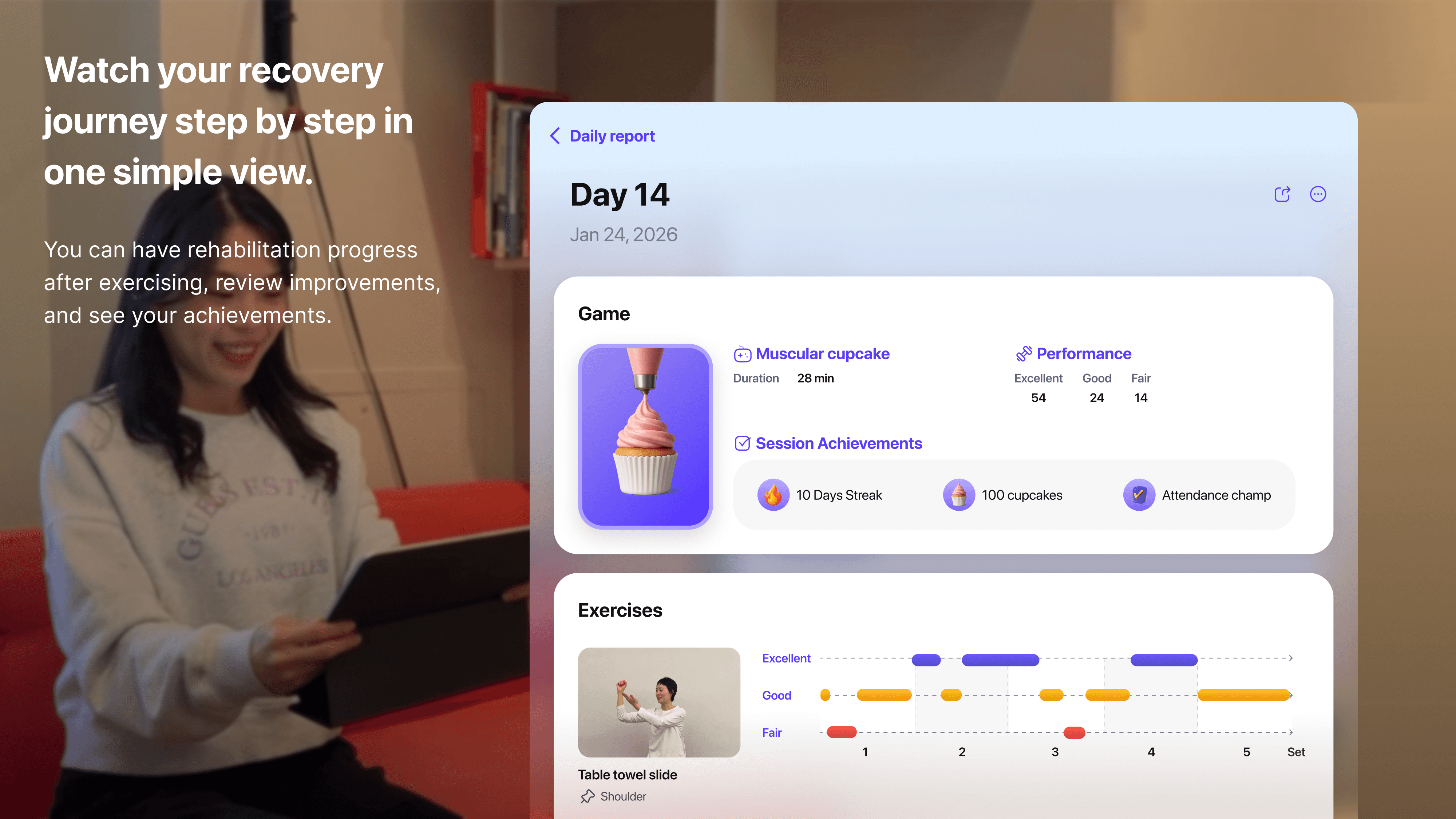
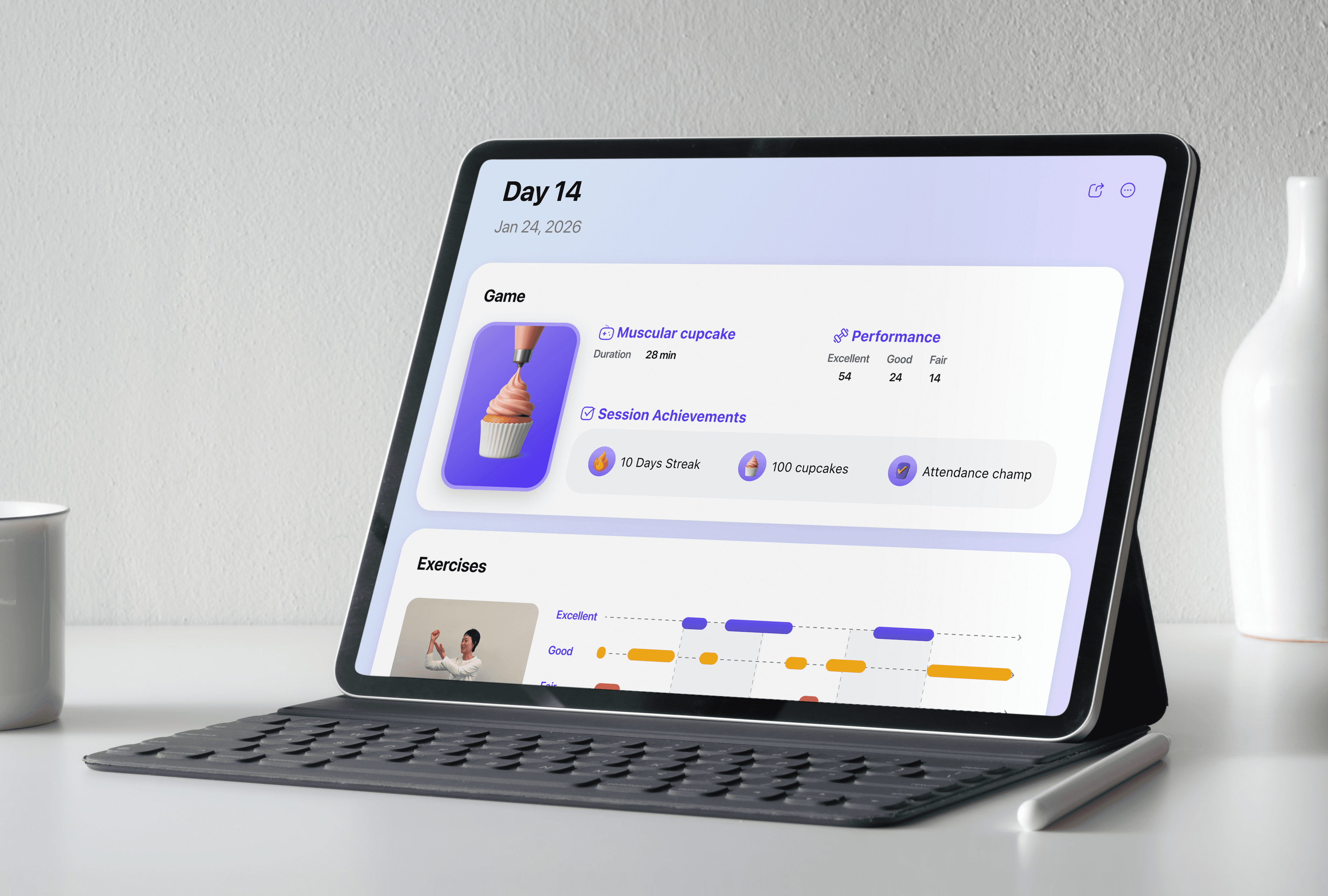
Each session ends in a recap that shows small wins. It contains degrees of motion regained, sessions completed.
Therapist's prescription
Clinicians remotely adjust exercises and difficulty based on the patient's data, keeping care continuous between visits.
Concept design
Therapy disguised as a familiar task.
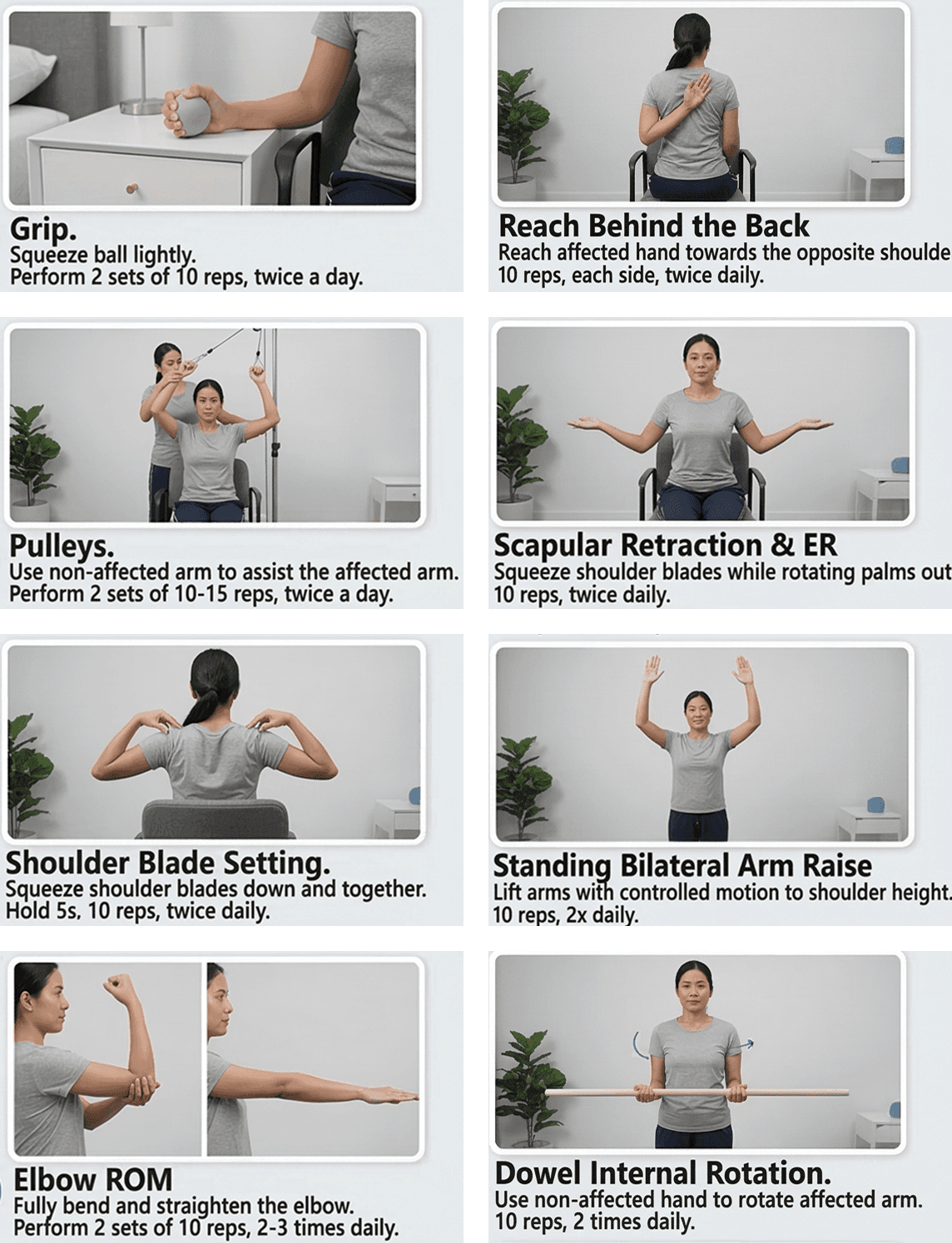
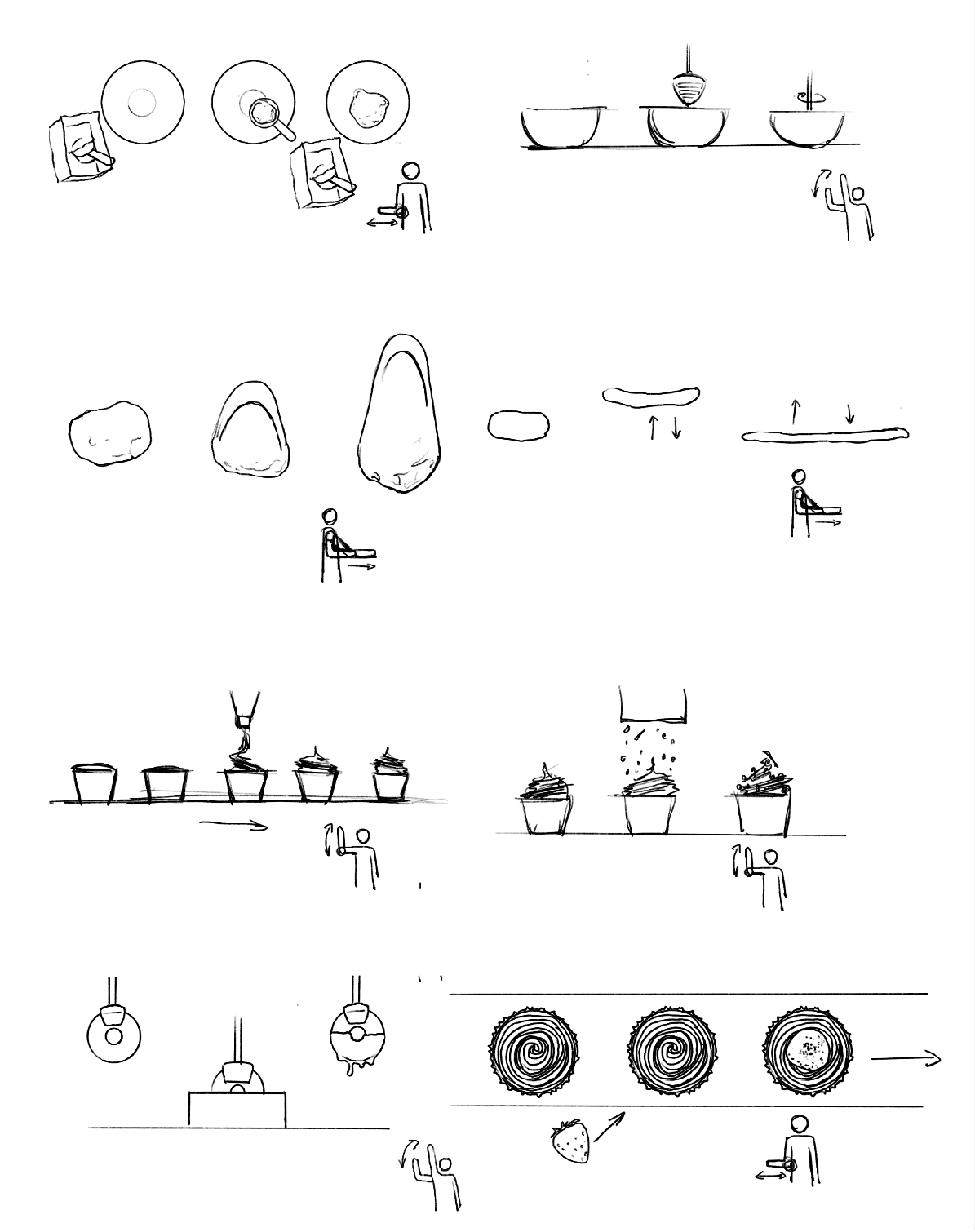
Each mini-game maps a prescribed exercise onto a daily-life action (baking, gardening, ball games). The motion the therapist needs the patient to perform is the same motion that progresses the game.
Key Feature
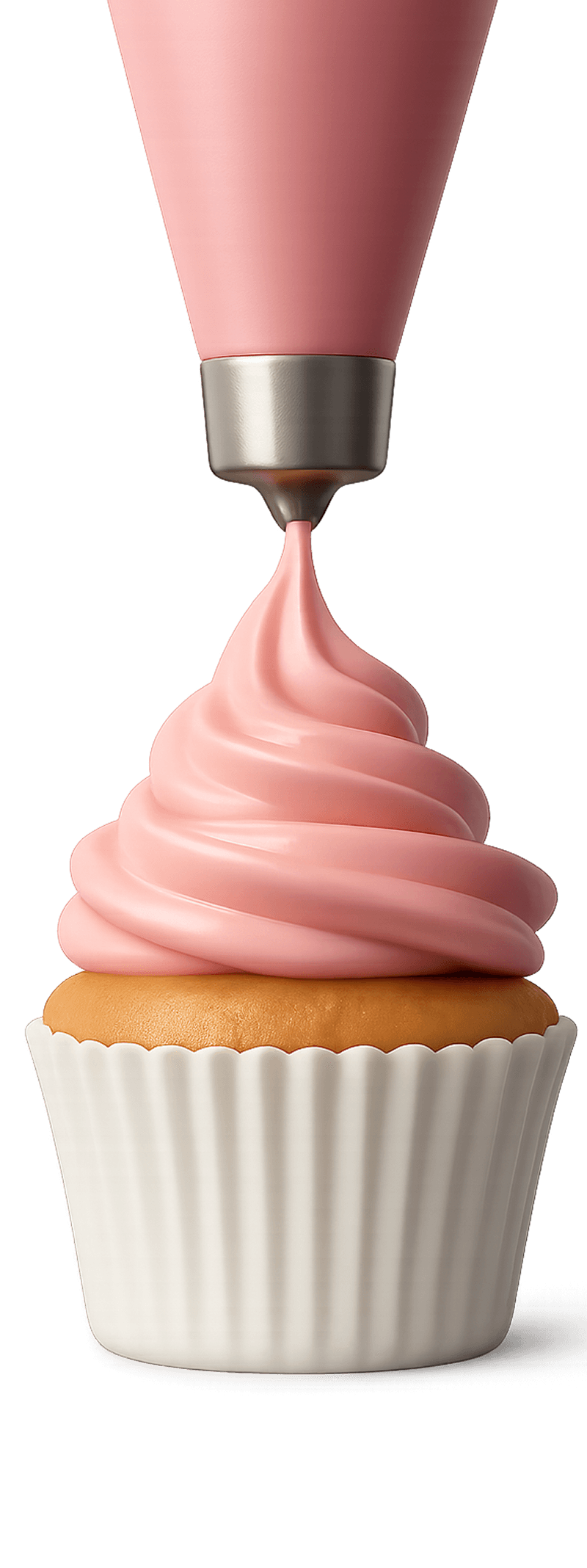
Why a Baking Theme Mini-Game?
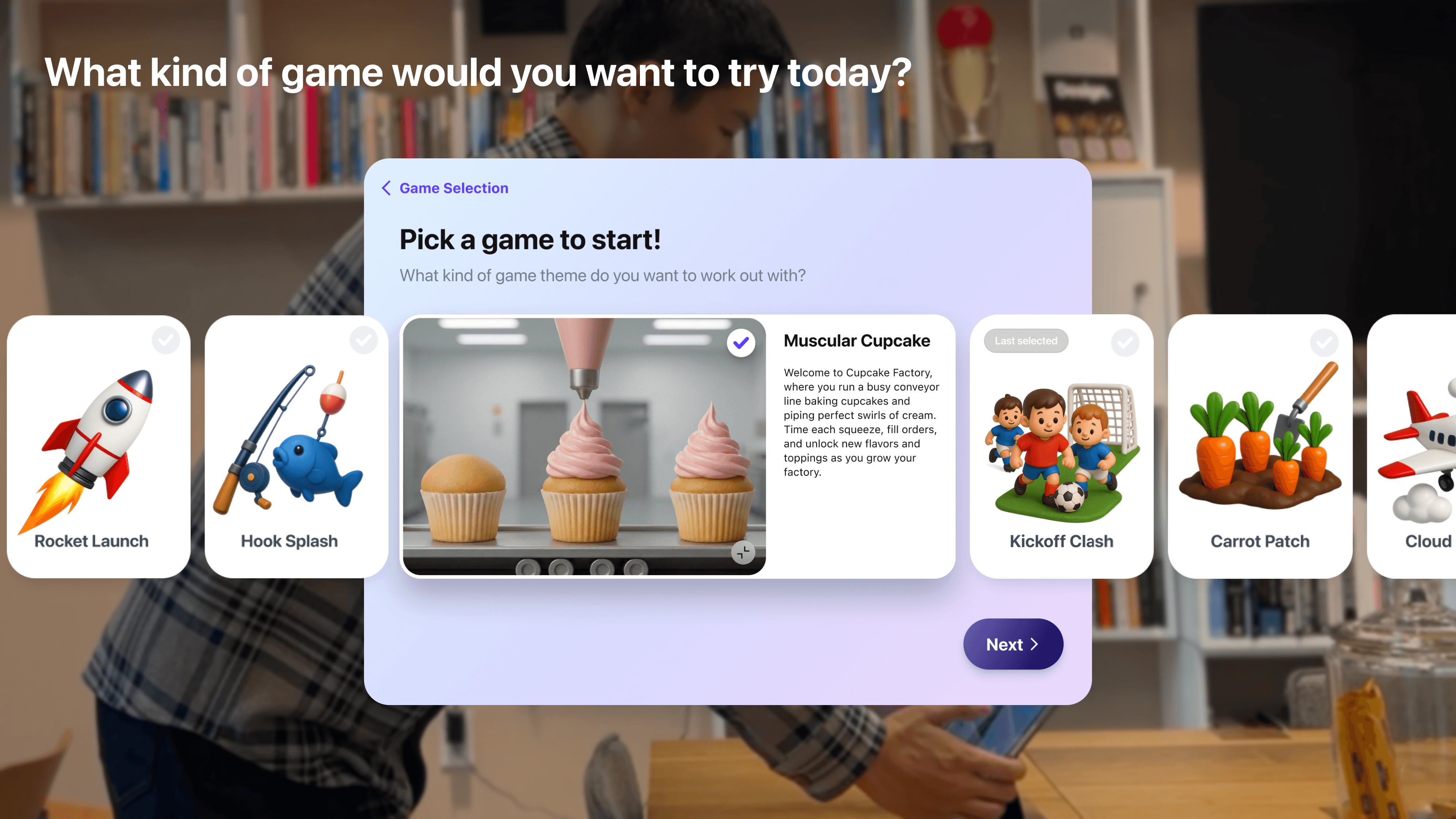
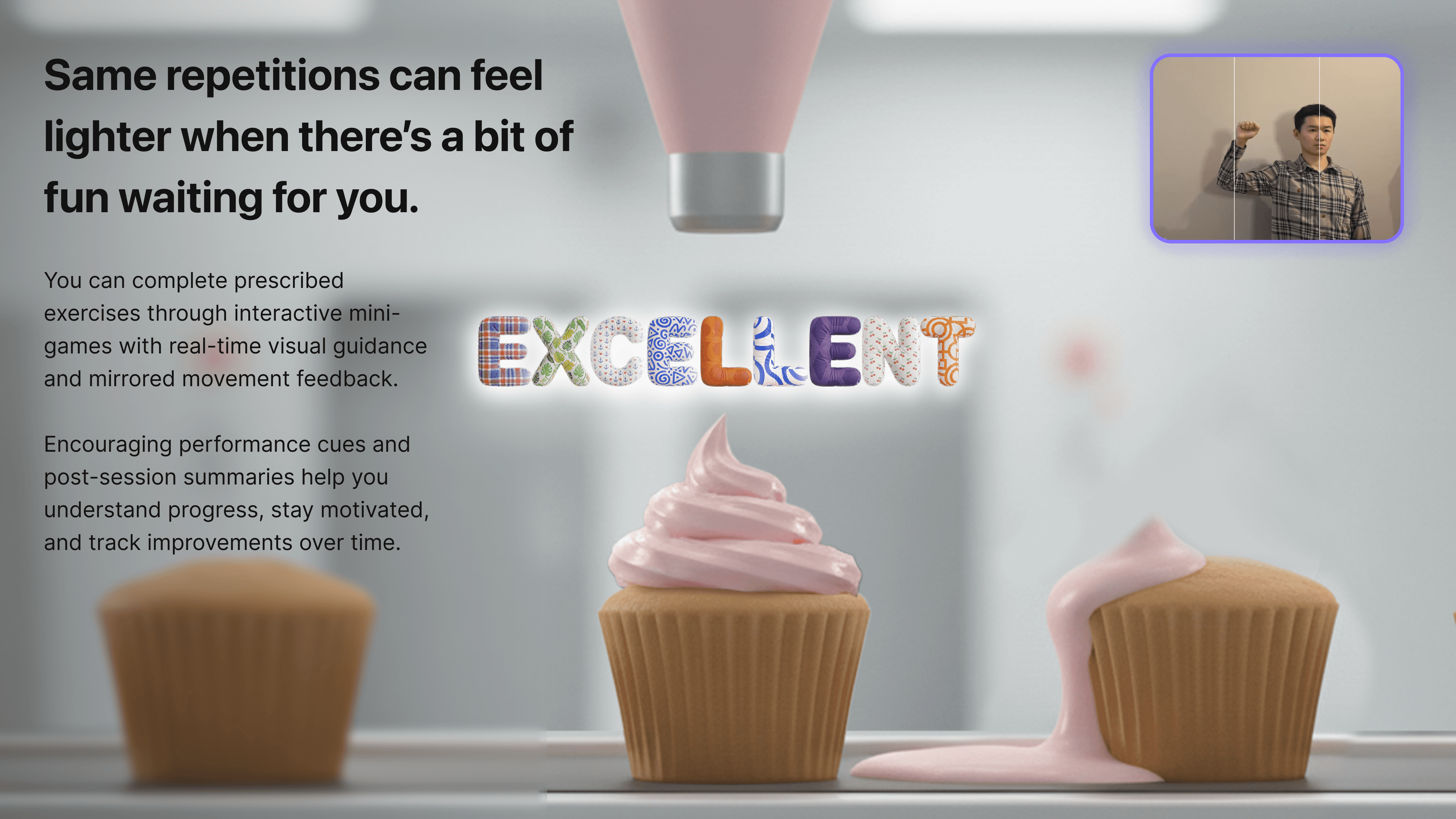
Patients’ interest in returning to everyday activities informed our choice of themes. Baking became the focus of our working prototype, where arm movements control cupcake decorating. The same movement serves as exercise and game input. Users do not need to switch between performing a movement and using a separate control to advance the game.
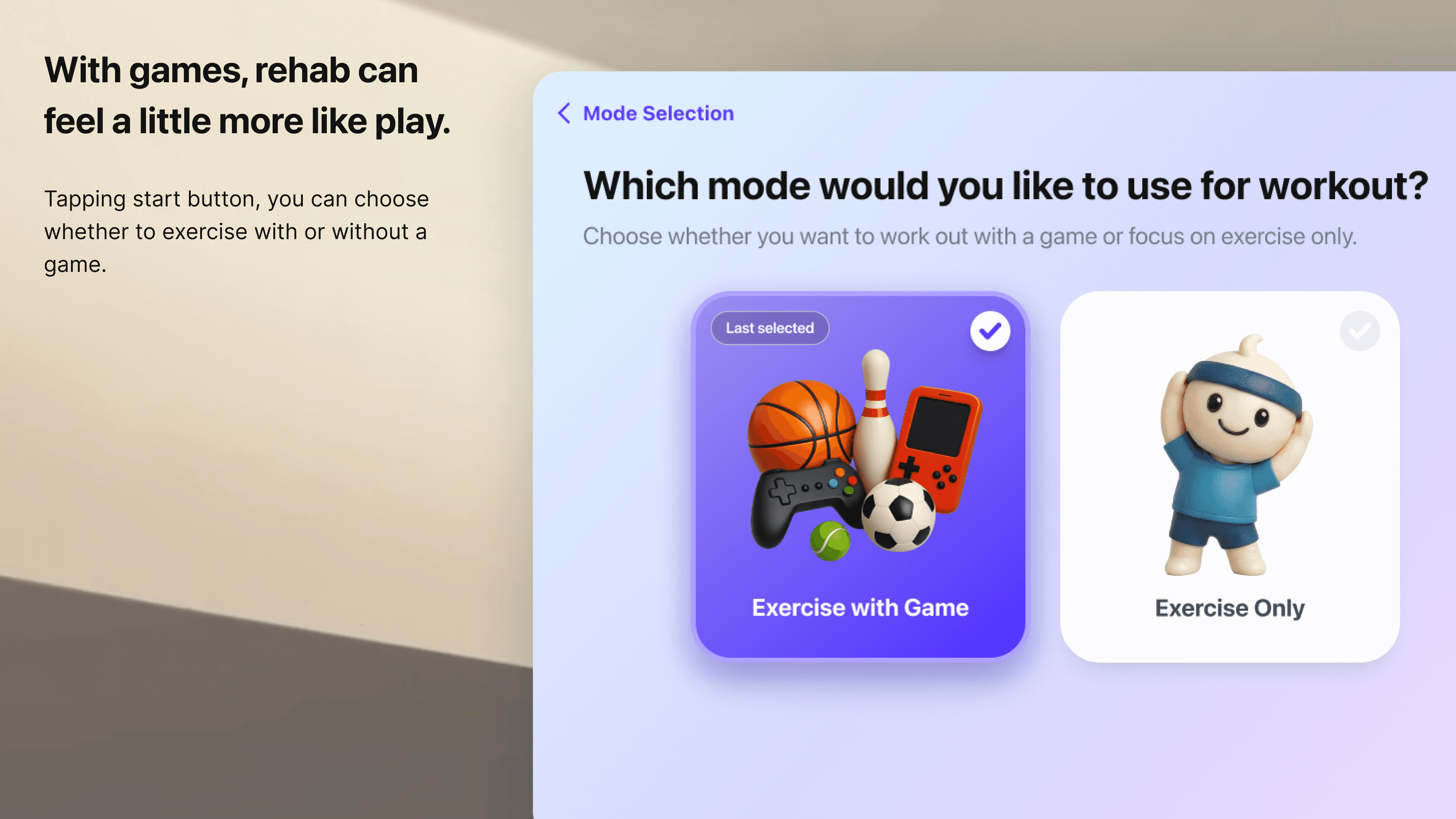
An exercise-only mode gives users another way to participate when they prefer a session without a game.
User flow
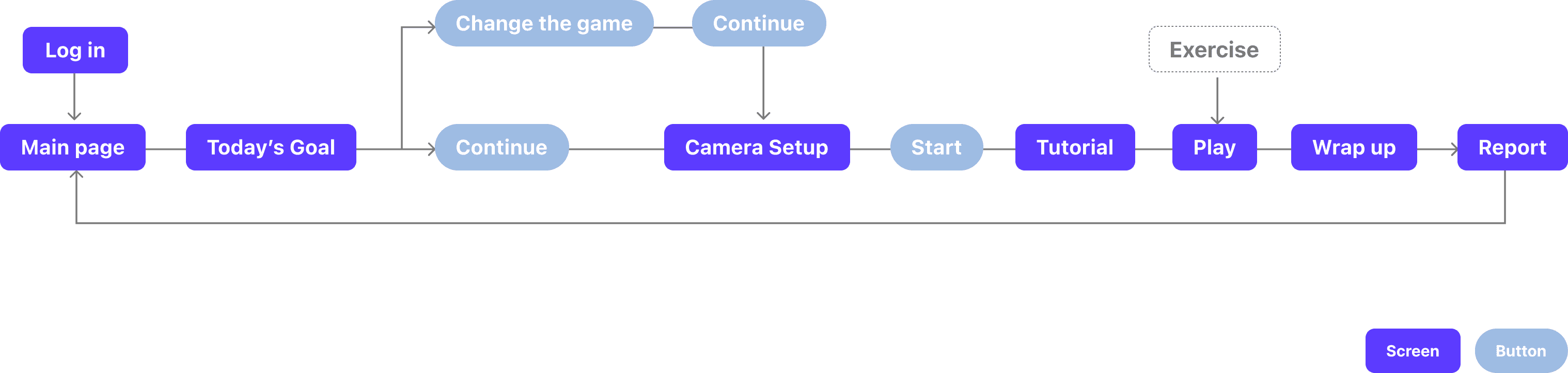
A guided path from opening the app to reviewing a session.
The user flow includes: Today’s exercises → Choose a mode and theme → Set up the device → Learn the movement and game → Exercise → Review the session
An exercise-only mode gives users another way to participate when they prefer a session without a game.
User journey map
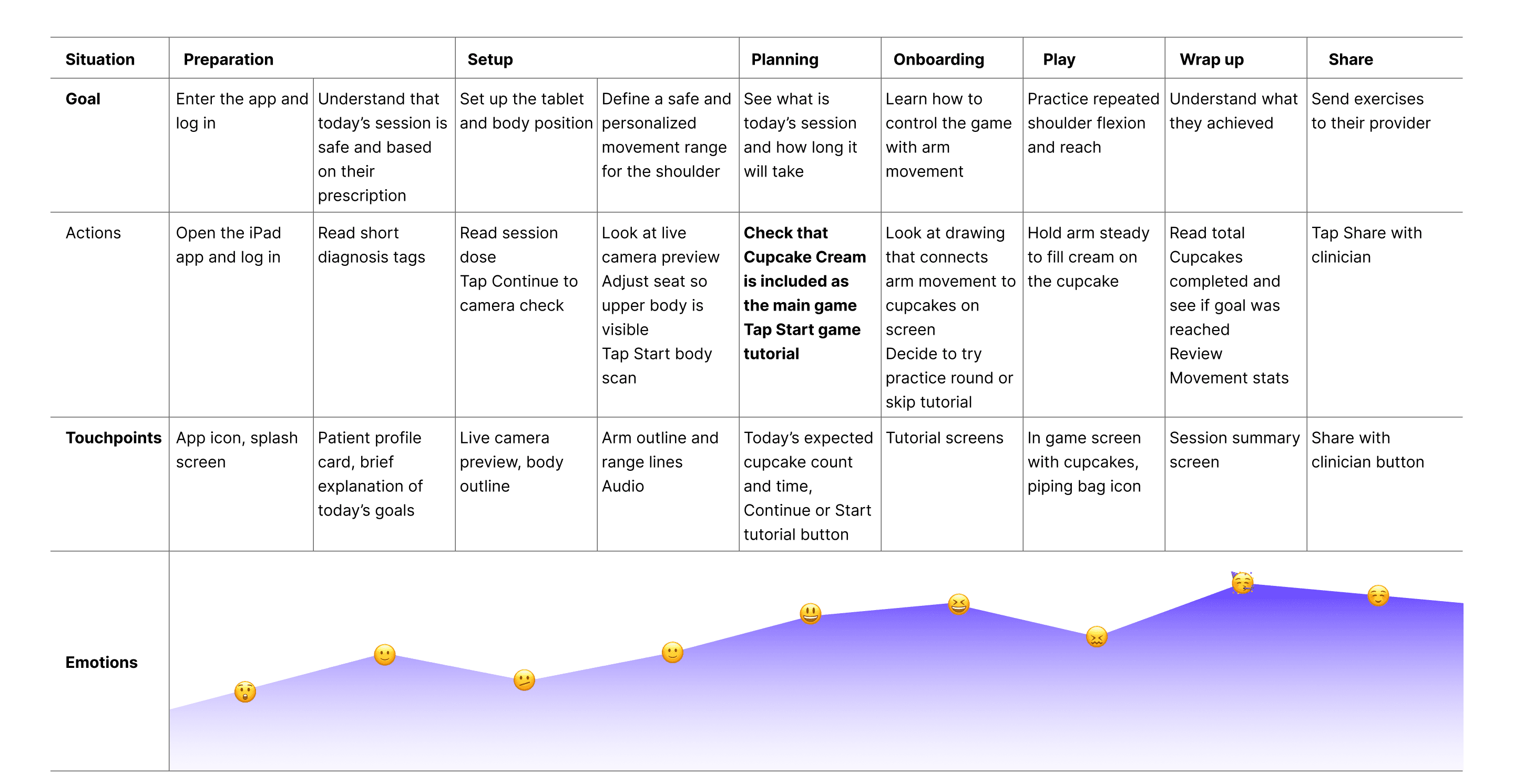
Where motivation rises and drops.
We mapped both a single session and the longer recovery journey to identify where support would be most useful: getting started, learning an unfamiliar movement, and noticing gradual progress. These moments informed the setup guidance, tutorial sequence, in-game feedback, and proposed progress summaries.
System Map
Connecting physical movement with an on-screen response.
1. Digital Section The therapist sends a prescription so tracking info flows back after each session, shaping what the patient sees next.
2. Physical Section Visual and audio content guides the patient on the tablet screen, while the TrueDepth camera reads their motion data in real time.
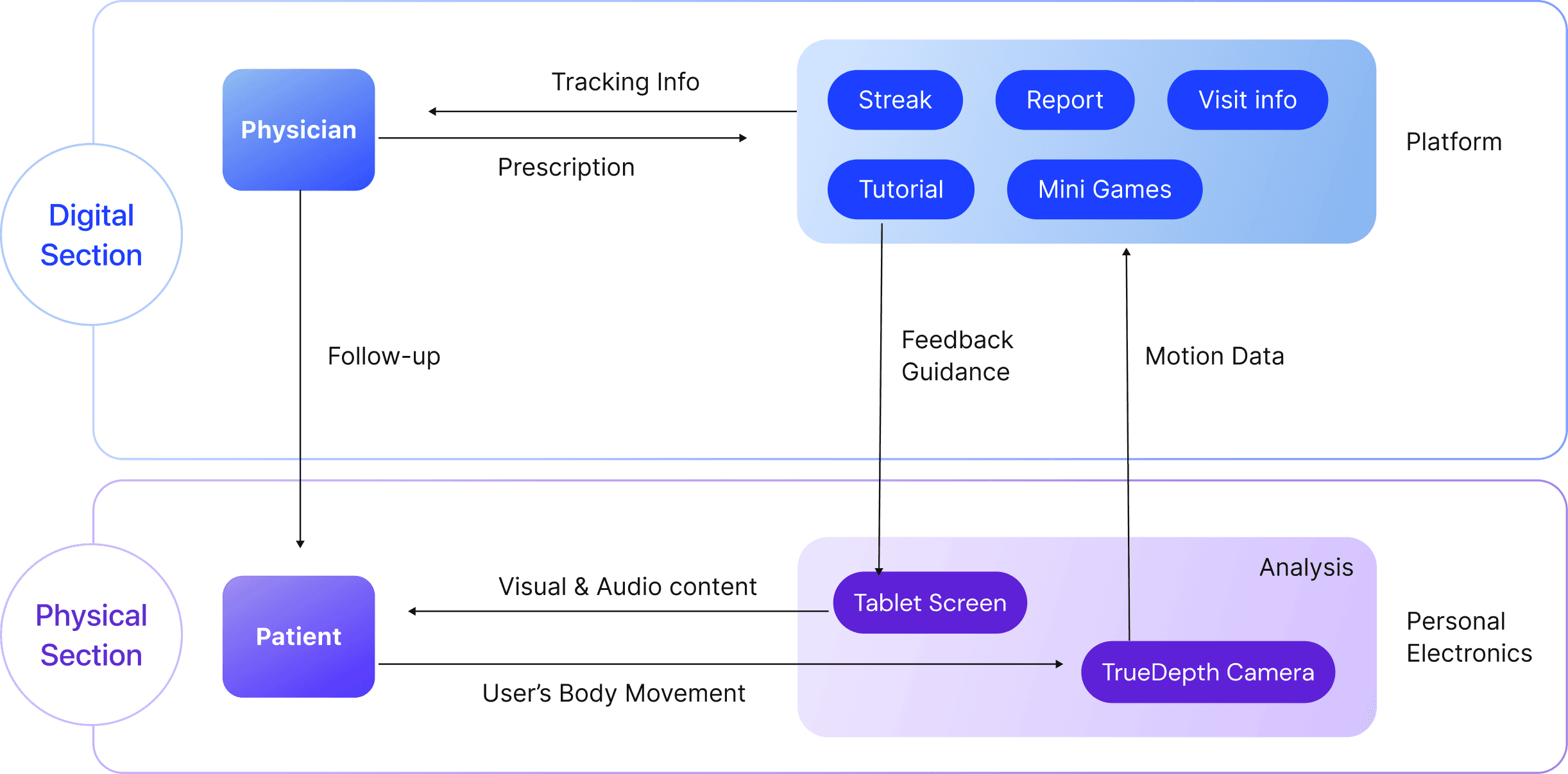
Wireframe
Sketching the experience before refining the screens.
I explored wireframe options with my teammates to establish the flow and information hierarchy. We focused on what users needed at each stage: a clear starting point, manageable instructions, and feedback they could follow while moving. The wireframes also helped me define where voice commands could replace touch input and how exercise guidance would transition into gameplay.

Design iteration
What changed between v1 and the final.


1. Home: text list → photo cards. The first home screen listed exercises by name. I replaced the text list with photo cards so users could see the movements before starting, rather than relying on unfamiliar exercise names.


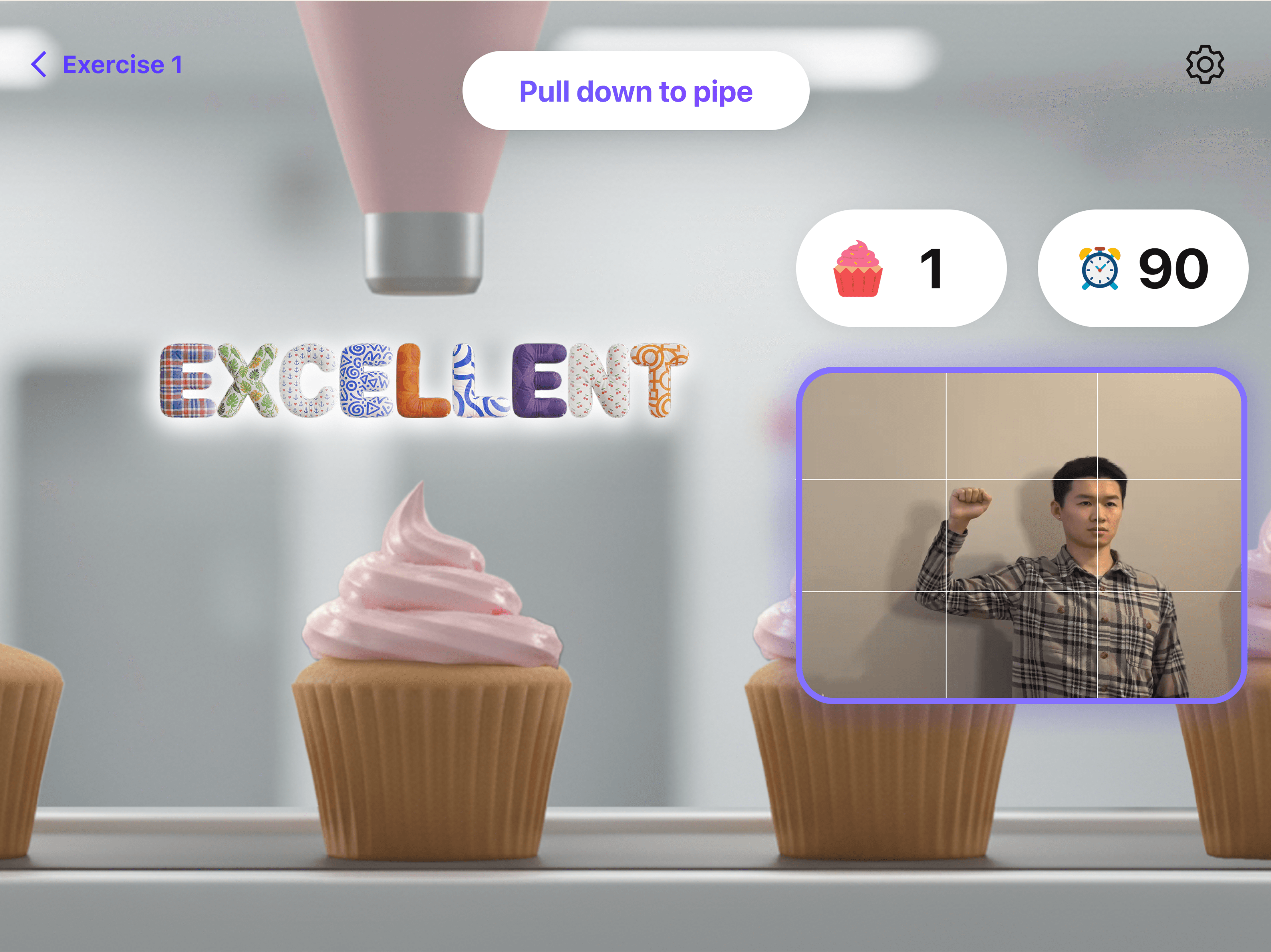
2. Game screen: shrinking the HUD. I explored three placements for the camera feed and timer. The final layout keeps the game in the foreground, with the camera feed and compact status indicators in the corners to reduce competing visual information.


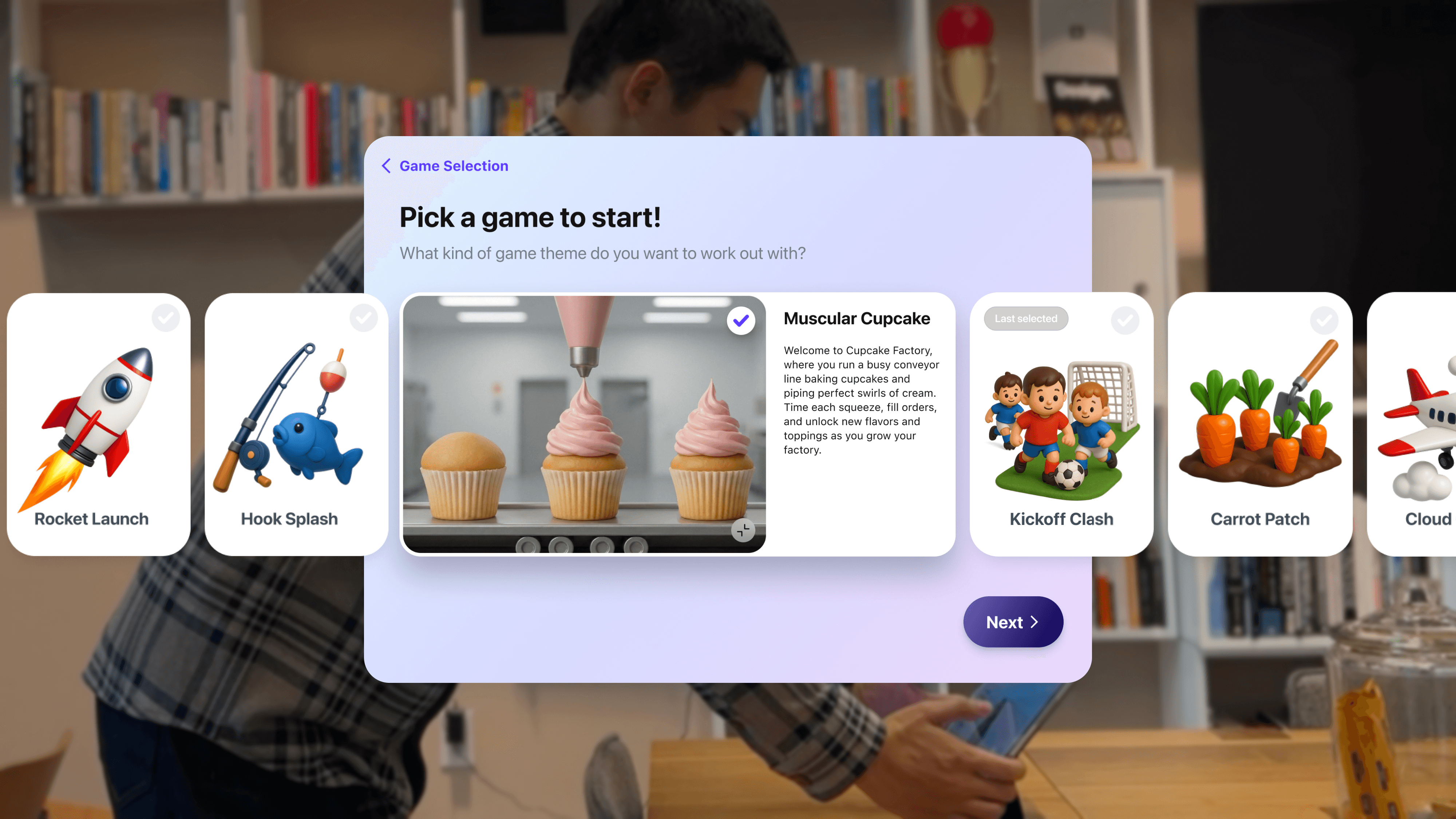
3. Game selection: one grid → two steps. The initial design presented all games in a single grid. I separated the choice into two steps: exercise with or without a game, then select a theme. This gives users a simpler option on days when they do not feel like playing.
Visual Tone
Clinical confidence with playful moments.
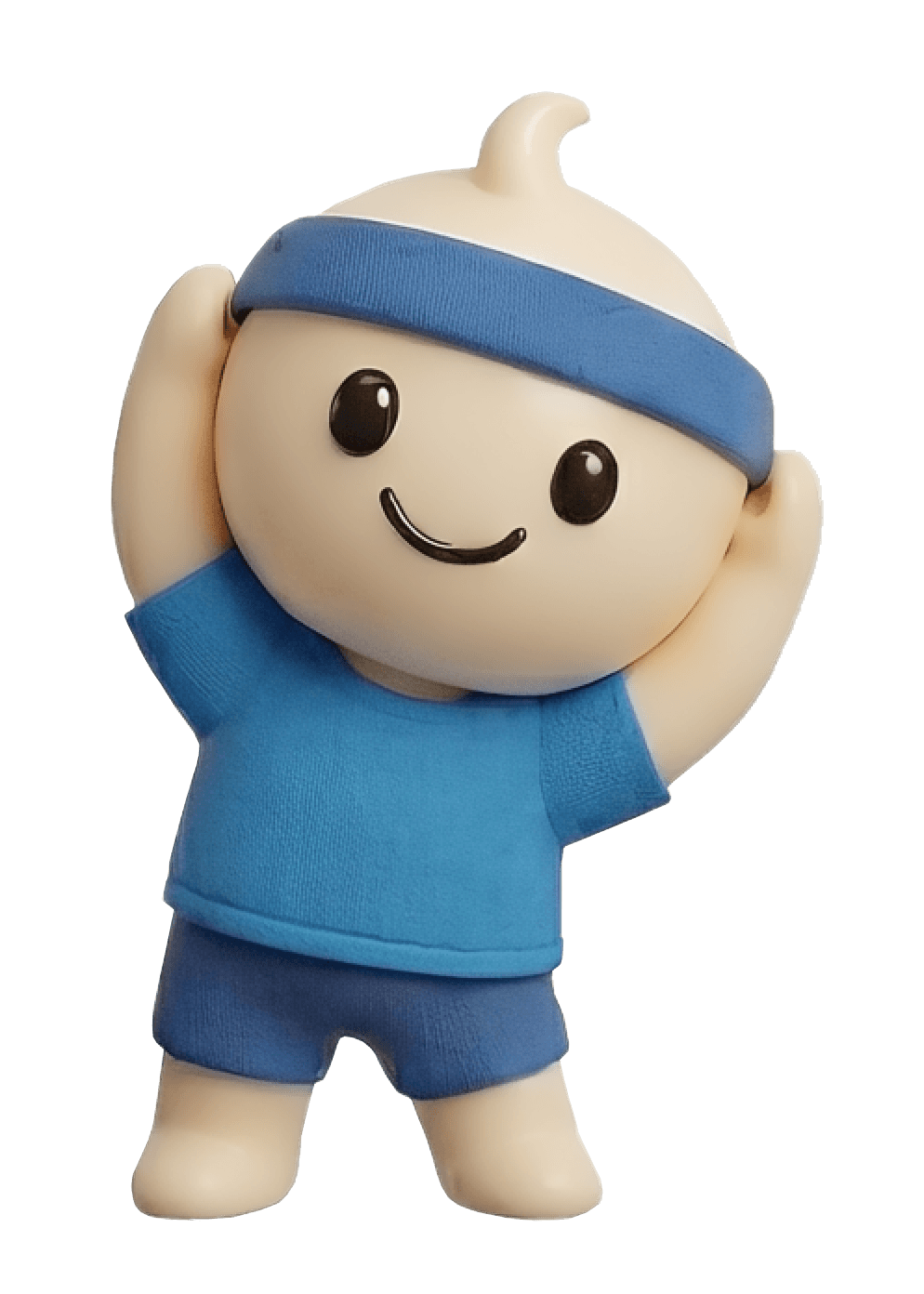
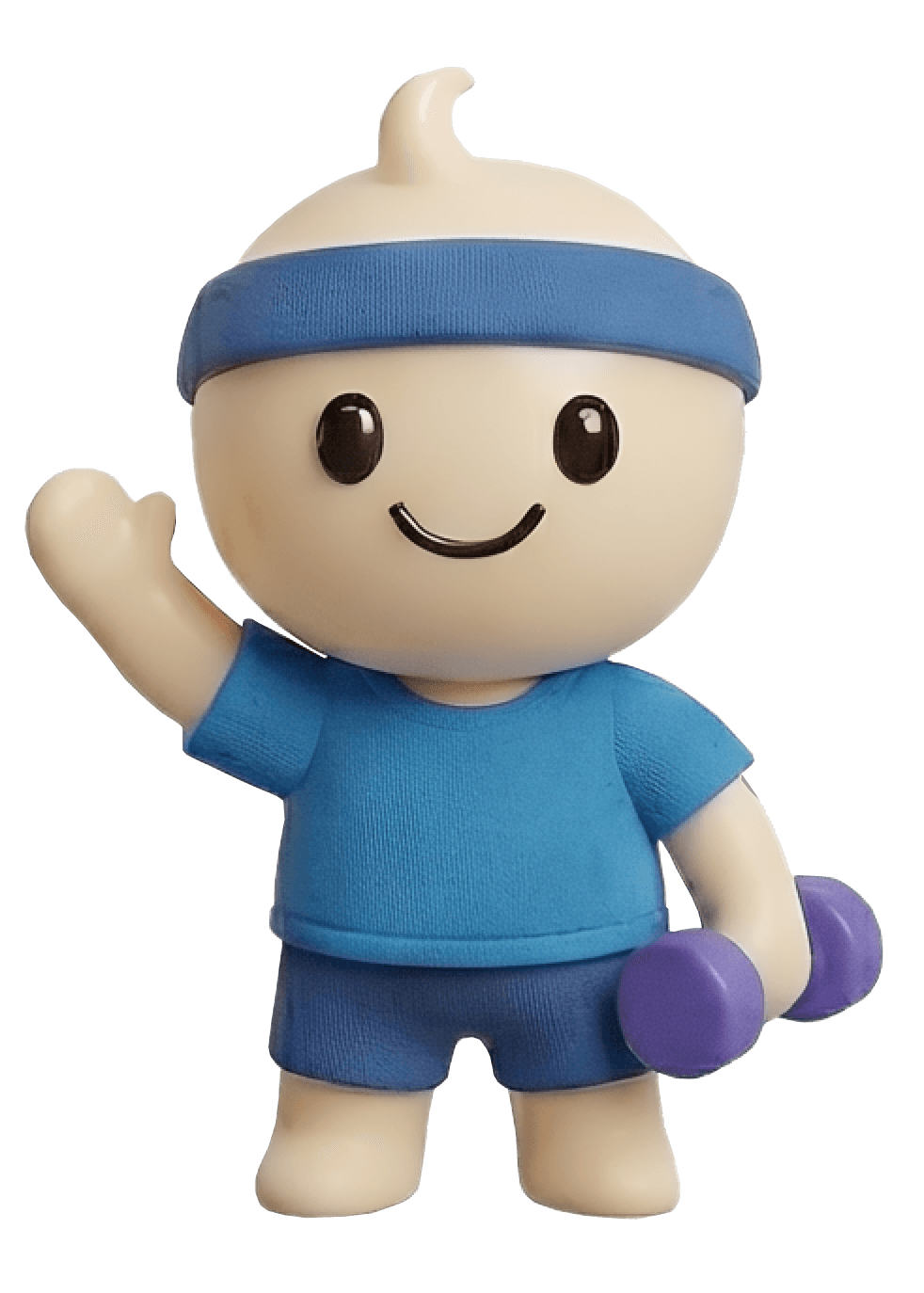
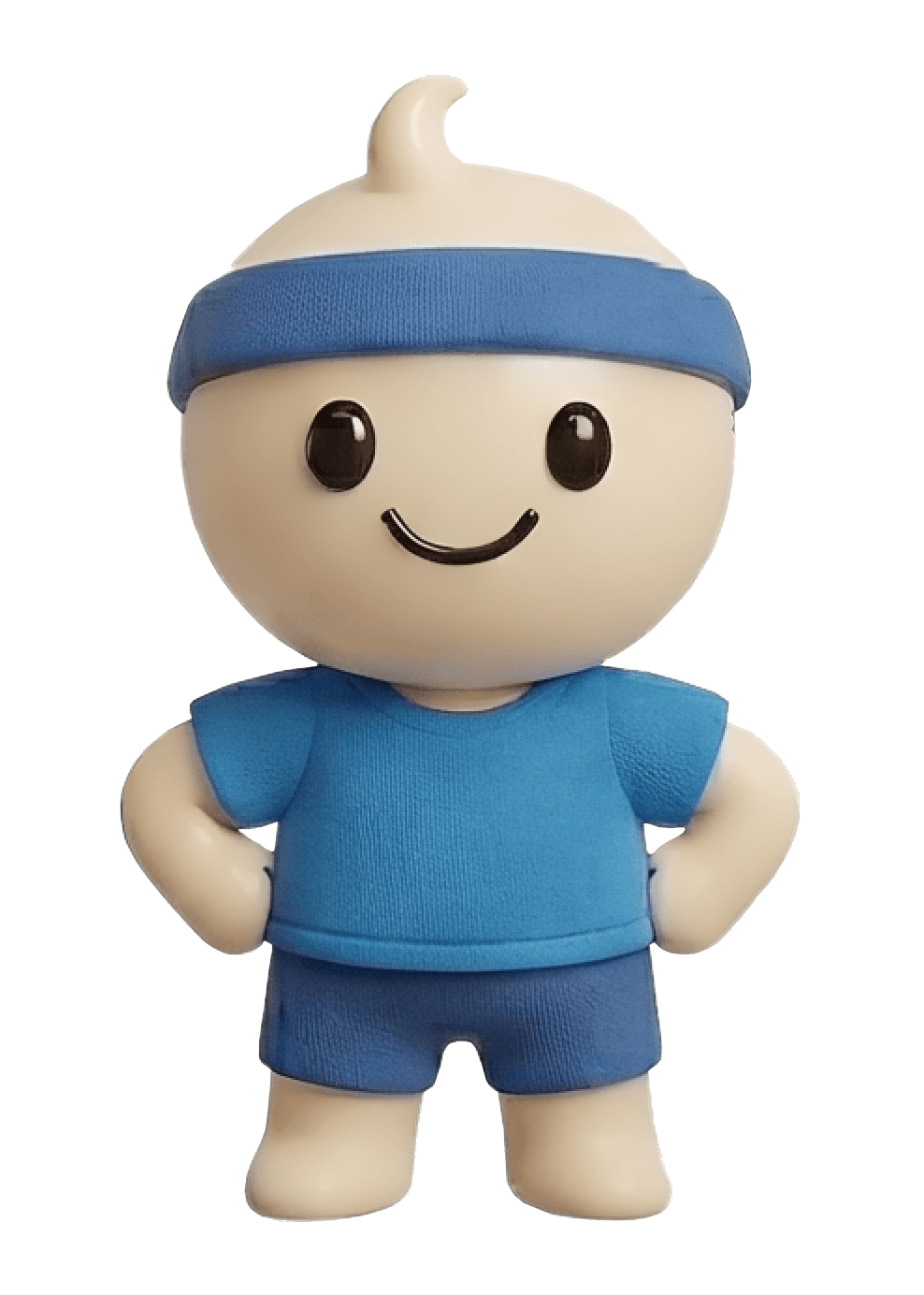
Most rehab tools borrow the sterile language of medical software. Reeha goes the other way. A muted palette and rounded typography let the interface feel joyful instead of clinical. The characters function as a non-clinical presence in moments where patients might otherwise feel observed. Soft volumes, headbands instead of medical accessories, no measuring devices in hand.

Prototyping
Engineering the motion recognition.
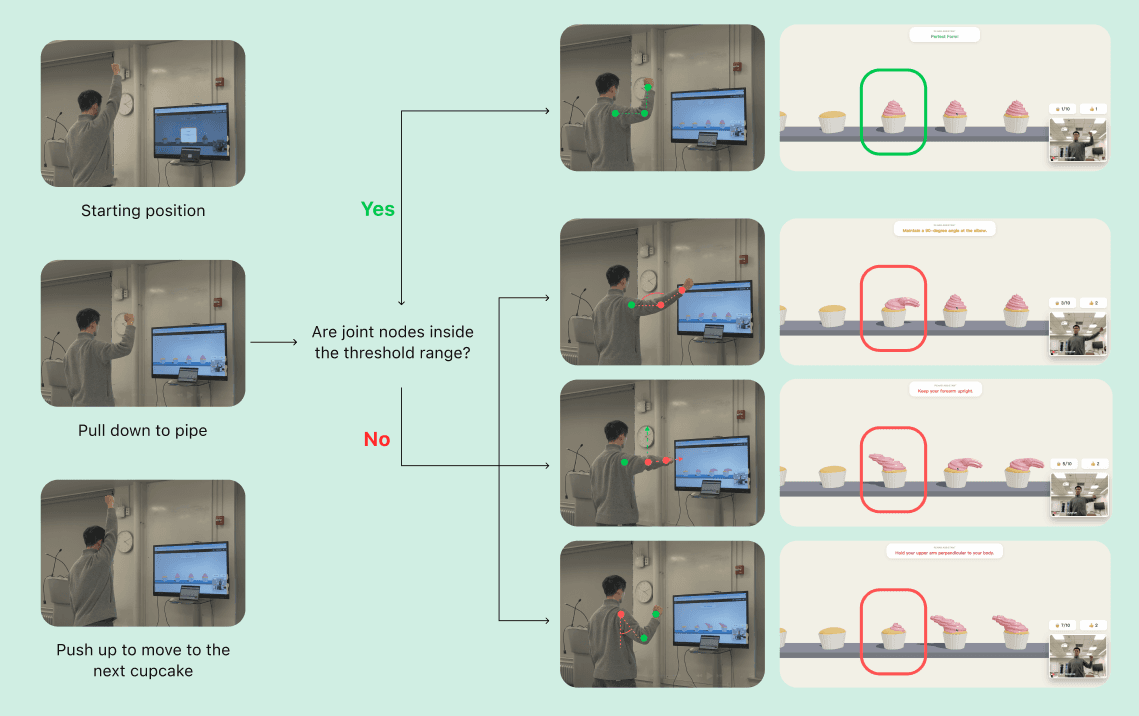
We mapped the entire game loop to joint-node tracking. All the cupcake states are functions of where the patient's shoulder, elbow, and wrist sit relative to a calibrated threshold range. Pull down within range, frosting flows. Push up smoothly, next cupcake. Step outside the range, the piping fails.
Validation
Demo session at CMU Design Week.
We exhibited the working prototype at CMU Design Week and observed visitors moving through setup, tutorials, and gameplay. Their use revealed issues with camera placement and movement feedback timing that we had not identified through screen-based review.


What I learned
The interaction extends beyond the moment the camera detects movement.
Reeha pushed me to design across the screen, the body, and the physical setup. The camera could recognize an arm movement, but users still needed to get into position, understand what to do, and connect their movement with the game’s response. Working on setup, tutorials, and feedback taught me to design these moments as one continuous experience. Observing first-time users at the demo showed how camera placement and response timing could affect that experience in ways the screens alone did not reveal.
Paper · Coursework
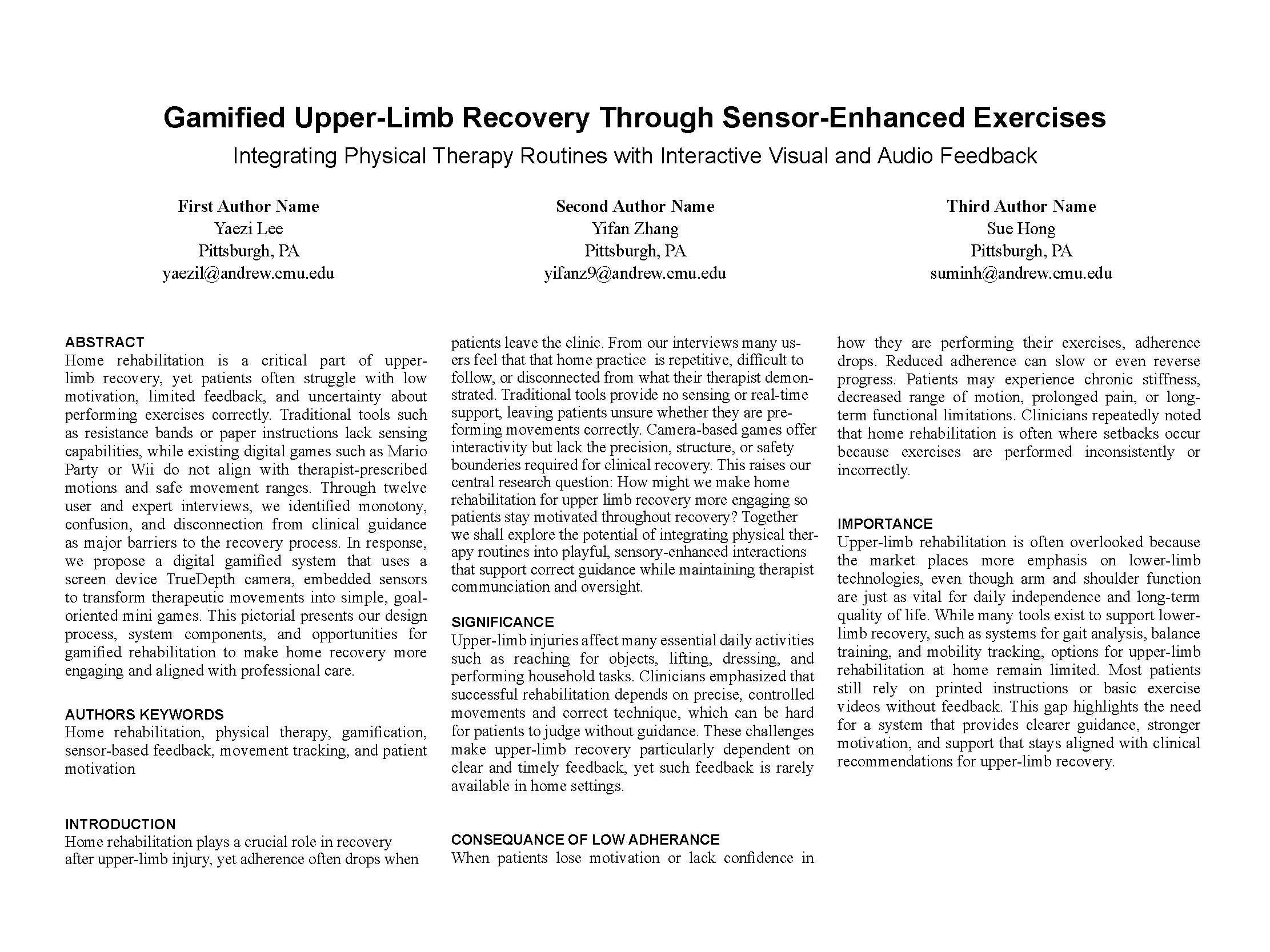
Gamified Upper-Limb Recovery Through Sensor-Enhanced Exercises.
A pictorial-style writeup of the Reeha project, produced as coursework at CMU MDes (Fall 2025). The paper explores the research framing and system architecture in academic format. "How might we make home rehabilitation for upper limb recovery more engaging so patients stay motivated throughout recovery?" — from the research framing.
Acknowledgments
Thank you to the patients, healthcare experts, advisors, and faculty who contributed their time and perspectives
Technical Advisor: Shemona Singh User interview: Terry Oh, Sophia Wu, Daniel Wu, Timothy Tang, Erik Benson, Eric Hsieh, Kristen Song, John Lee Expert interview: Anne Marie Sweeney OT, Jared Todorowski PT, Justin Berthold DO, Lindsay Lehman PT Faculty: Andrew Twigg, Stacie Rohrbach